
Understanding LDL Cholesterol: Managing the ‘Bad’ Cholesterol for a Healthier Heart
In Singapore, cardiovascular disease remains a significant health concern, accounting for nearly one in three deaths. Central to this risk is cholesterol, specifically low-density lipoprotein (LDL), commonly known as ‘bad’ cholesterol.
While our bodies require some cholesterol to build cells and produce hormones, an excess of LDL can lead to life-threatening complications.
What is LDL cholesterol and why is it ‘bad’?
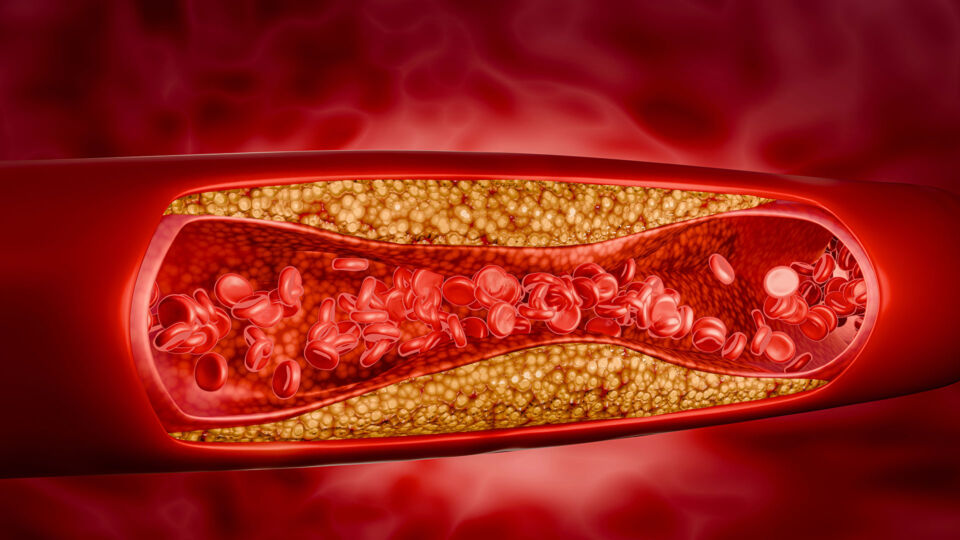
Cholesterol travels through the bloodstream in packages called lipoproteins. LDL is termed ‘bad’ because it carries cholesterol to your arteries. When LDL levels are too high, it can accumulate on the inner walls of the blood vessels, forming hard deposits known as plaques.
This process, called atherosclerosis, narrows the arteries and restricts blood flow. If a plaque ruptures, it can cause a blood clot, leading to a heart attack or stroke. In contrast, high-density lipoprotein (HDL) is ‘good’ cholesterol because it acts as a scavenger, carrying unused cholesterol back to the liver to be broken down and removed from the body.
The 2026 Singapore Standards: Knowing your numbers
Under the Healthier SG initiative, Singapore has shifted towards a risk-stratified approach to cholesterol management. Your ‘optimal’ LDL level is no longer a one-size-fits-all number; it depends on your overall cardiovascular risk profile.
Low to moderate risk |
For healthy individuals with no other risk factors, an LDL level below 2.6 mmol/L is generally desirable. |
High risk |
For those with hypertension or smoking habits, doctors typically aim for less than 1.8 mmol/L. |
Very high risk |
For patients with established heart disease or diabetes, the latest 2025 / 2026 guidelines often recommend a more aggressive target of below 1.4 mmol/L. |
Medical treatments in Singapore
While statins remain the first line of defence, 2026 has seen a broader adoption of advanced therapies for patients who are statin-intolerant or cannot reach their targets through traditional means.
Statins and ezetimibe |
These remain the standard for reducing cholesterol production and absorption. |
PCSK9 inhibitors (Evolocumab / Alirocumab) |
These injectable biologics dramatically increase the liver’s ability to clear LDL from the blood. Some, like Repatha, are now included in the Healthier SG medication list, offering additional subsidies for enrolled patients. |
Inclisiran |
A newer ‘siRNA’ therapy administered as an injection just twice a year, providing a convenient long-term solution for maintaining low LDL levels. |
Genetic testing |
As of June 2025, MOH has rolled out subsidised genetic testing for familial hypercholesterolaemia (FH) to identify individuals with hereditary high cholesterol early in life. |
Lifestyle strategies to lower LDL
Medical intervention is most effective when paired with heart-healthy habits tailored to the Singaporean lifestyle.
- The ‘My Healthy Plate’ approach: Swap refined carbohydrates for whole grains and increase your intake of soluble fibre found in oats, barley, and local vegetables like okra (ladies’ fingers) and eggplant.
- Choosing better fats: Replace saturated fats (found in coconut milk, palm oil, and fatty meats) with unsaturated fats such as olive oil, nuts, and oily fish like salmon or mackerel.
- Functional fitness: Aim for 150 to 300 minutes of moderate aerobic activity weekly. Exercise not only lowers LDL but is one of the few ways to actively boost your ‘good’ HDL levels.
Enrol in Healthier SG with Raffles Medical
Managing your cholesterol is a marathon, not a sprint. By enrolling in Healthier SG with Raffles Medical, you can partner with a dedicated family doctor to monitor your lipid profile annually and develop a personalised Health Plan.
Singapore Citizens enrolled in Healthier SG enjoy fully subsidised screenings for cholesterol and chronic diseases. Visit your nearest Raffles Medical clinic to enrol today.
Sources:
- Ministry of Health (MOH) Singapore – Lipid Management Guidelines: https://www.moh.gov.sg/guidelines/clinical-practice-guidelines/lipids
- Singapore Heart Foundation – Understanding Cholesterol: https://www.myheart.org.sg/health/cholesterol/
- Healthier SG National Initiative: https://www.healthiersg.gov.sg/
- SingHealth – Cholesterol Management & Treatments: https://www.singhealth.com.sg/symptoms-treatments/cholesterol-management
- MOH Circular No. 89/2025 – Familial Hypercholesterolaemia Genetic Testing: https://www.moh.gov.sg/news-highlights/circulars