

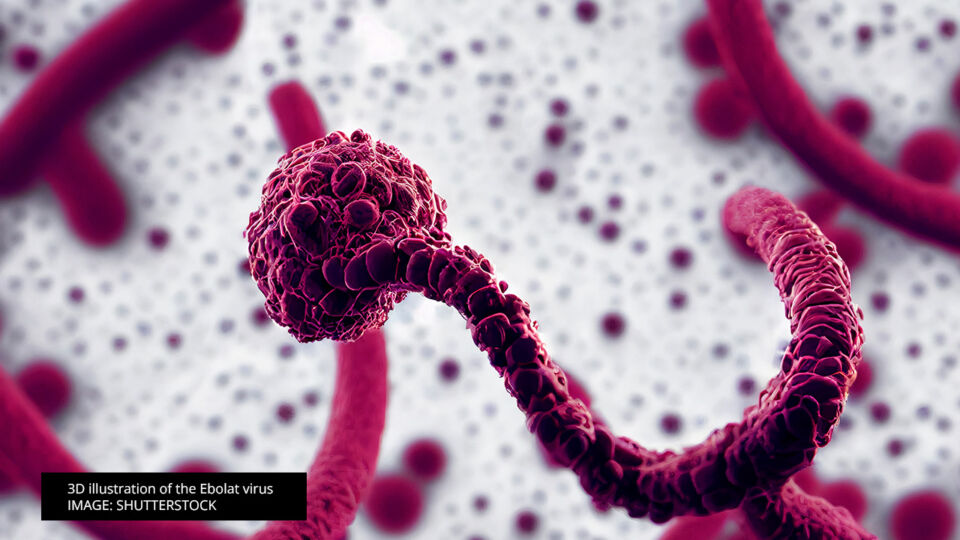
Global Ebola Situation and Precautionary Measures in Singapore
Note to the public
There is no cause for panic. Singapore’s public health authorities are monitoring the global situation in real time and will adjust medical and surveillance protocols as necessary.
The Ministry of Health (MOH), the Communicable Diseases Agency (CDA), and international public health bodies are closely monitoring an ongoing, severe outbreak of Ebola virus disease (EVD) in parts of Central and East Africa. This current wave of infections is driven specifically by the Bundibugyo virus strain. Following formal declarations by global health authorities designating this outbreak as a public health event of international concern, Singapore has proactively strengthened its multi-layered national defence framework.
At present, the immediate risk of local community transmission within Singapore is assessed as low. This is primarily due to geographical distance and the absence of direct, high-volume commercial flight routes connecting Singapore to the primary epicentres of the outbreak. However, given the highly interconnected nature of global corporate travel and aviation tourism, the potential for an imported case cannot be entirely discounted. Ebola virus disease remains a clinically severe and highly lethal pathogen, requiring strict vigilance from international travellers, global workforces, and healthcare providers alike.
About Ebola virus disease (EVD)
Ebola is a severe, often fatal illness in humans. The current Bundibugyo strain has a fatality rate of approximately 30 to 40 per cent. Unlike the Zaire strain, there is currently no approved vaccine or specific antiviral therapeutic available for Bundibugyo. Clinical management relies entirely on early aggressive supportive care, fluid resuscitation, and rigorous symptomatic control, making early detection and immediate isolation the primary pillars of containment.
Transmission
The virus is not airborne. It spreads through:
- Direct contact with bodily fluids of infected living or deceased humans or animals.
- Indirect contact with surfaces and materials (e.g., bedding, clothing) contaminated with these fluids.
Symptoms
The incubation period ranges from two to 21 days. Asymptomatic individuals during the incubation window do not pose a transmission risk until they develop symptoms, which include:
- Sudden onset of high fever and severe headache
- Deep muscle aches and profound fatigue
- Sore throat and joint pain
- Vomiting, diarrhoea, and abdominal pain
- Unexplained bruising or bleeding (in advanced stages)
The Bundibugyo Virus Strain
There is currently no approved vaccine or specific antiviral therapy for the Bundibugyo strain of Ebola virus disease.
Where Is It Spreading?
Parts of Central and East Africa are currently affected by the ongoing outbreak.
How Does It Spread?
Through direct contact with bodily fluids or contaminated surfaces. Ebola is not airborne.
Transmission Risk
People without symptoms do not spread the virus. Transmission risk begins when an infected person presents symptoms.
30 to 40%
Estimated fatality rate for the current Bundibugyo strain
21 days
Maximum monitoring period after travel to an affected region
Low
Current assessed risk of community transmission in Singapore
National surveillance and government response
Singapore has established a robust framework for the early detection, isolation, and management of potential infectious disease threats. The government has activated the following precautionary measures:
- Checkpoint surveillance
Enhanced border surveillance is in place across all entry portals, including Changi Airport, seaports, and land checkpoints. Any traveller arriving in Singapore who displays a fever or other clinical symptoms compatible with EVD, and who holds a recent history of travel to or transit through designated affected regions within the preceding 21 days, will undergo immediate medical assessment at the points of entry. - Electronic health declarations
All incoming travellers must declare their health status and travel history accurately via the SG Arrival Card.
Providing false or incomplete information is a serious offence under the Infectious Diseases Act. - Healthcare system readiness
Medical practitioners and clinical laboratories across Singapore have been issued professional alerts to remain highly vigilant. - Isolation and containment protocols
Dedicated containment facilities and specialised clinical teams are on standby nationwide. Comprehensive contact tracing and a 21-day quarantine will be enforced for close contacts of any confirmed case.
✈️ Travel Advisory Guidance |
|||||||
|---|---|---|---|---|---|---|---|
For outbound international travellersTravellers are advised to defer non-essential travel to the affected regions. If travel is unavoidable, you must strictly observe the following health measures. |
|||||||
| Practise stringent hand hygiene | Wash hands regularly with soap and water or use an alcohol-based hand sanitiser. | ||||||
| Avoid direct contact | Stay away from anyone showing symptoms of illness such as fever, vomiting, or bleeding. Avoid contact with the bodily fluids, clothing, or bedding of infected or deceased individuals. | ||||||
| Avoid wildlife and raw meat | Do not handle wild animals, including bats, monkeys, and apes, or carcasses, and consume only thoroughly cooked meats. | ||||||
| Avoid high-risk settings | Avoid visiting traditional healing centres or healthcare facilities in affected areas unless seeking emergency medical care for yourself. | ||||||
Advice for travellers returning to SingaporeIf you have travelled to affected areas within the past 21 days, you must take the following steps upon arrival. |
|||||||
| Declare your history | Accurately report your travel history on your electronic Health Declaration Card before clearing immigration. | ||||||
| Self-monitor for 21 days | Monitor your health closely for 21 days from your date of departure from the affected region. | ||||||
| Seek immediate medical attention |
If you develop a fever, severe headache, muscle ache, fatigue, nausea, or diarrhoea at any point during this 21-day self-monitoring window, please take the following steps immediately.
|
||||||
Protect your health with Raffles Medical
Whether you are preparing for an overseas assignment, managing corporate travel for your workforce, or returning from abroad, Raffles Medical Group is here to ensure your safety and peace of mind.
Pre-travel consultations & vaccinations
While there is no vaccine for the Bundibugyo Ebola strain, ensure you are up to date on other regional health risks such as Yellow Fever, typhoid, and malaria. Speak to our family physicians for a comprehensive pre-travel assessment.

In this article
| 01 | About Ebola virus disease (EVD) |
| 02 | Transmission |
| 03 | Symptoms |
| 04 | National surveillance and government response (SG) |
| 05 | Travel Advisory Guidance |



