
Salt and Sodium – Finding the Right Sodium Balance
Sodium is an essential mineral that plays a key role in maintaining fluid balance, supporting nerve function, and enabling muscle contraction. It is most consumed in the form of salt (sodium chloride) and is found both naturally in foods and added during processing, cooking, or at the table.
While sodium is necessary for normal body function, most people consume far more than they need. Over time, excessive sodium intake can have significant health consequences.
The World Health Organisation (WHO) recommends consuming less than 2,000 mg of sodium per day, which is roughly equivalent to five grams of salt (about one teaspoon). Many populations exceed this amount significantly, often unknowingly due to hidden sodium in processed and packaged foods.
Common sources of sodium in your diet
Sodium is not only found in table salt. Common dietary sources include:
- Processed meats such as ham, sausages, and bacon
- Instant noodles and ready meals
- Sauces and condiments (e.g. soy sauce, ketchup)
- Packaged snacks (e. crisps, chips, and crackers
- Bread and baked goods
- Restaurant and takeaway foods
Did you know?
Even foods that do not taste distinctly “salty” can still contain high levels of hidden sodium.
Health risks of excess sodium and high blood pressure
Consistently high sodium intake can contribute to:
- Hypertension (high blood pressure): Excess sodium causes the body to retain water, increasing blood volume and pressure on blood vessel walls.
- Cardiovascular disease: Chronic high blood pressure is a leading risk factor for heart disease and stroke.
- Kidney strain: The kidneys have to work harder to filter and excrete excess sodium, which may contribute to long-term kidney damage in vulnerable individuals.
- Fluid retention: This often presents as uncomfortable swelling (oedema) in the hands, feet, or ankles.
How to reduce sodium intake
Making small, consistent changes to your daily eating habits can significantly reduce your sodium consumption.
🧂 Practical Ways to Reduce Sodium Intake |
|
|---|---|
| Choose fresh over processed foods | Fresh fruits, vegetables, lean proteins, and wholegrains are naturally low-sodium foods. |
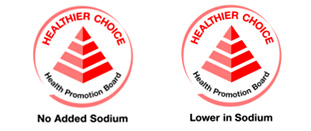
| Read food labels carefully | Look out for products featuring the “Lower in Sodium” or “No Added Sodium” Healthier Choice Symbol or refer to the Nutrition Information Panel to select options with lower sodium content.
|
| Cook more home-cooked meals | Preparing meals at home allows better control over the amount of salt and seasoning used. |
| Flavour with herbs and spices | Enhance the taste of your food using garlic, ginger, lemon, pepper, herbs, and spices instead of salt. |
| Limit sauces and condiments | Use dressings and gravies sparingly, as they are often highly concentrated sources of sodium. |
| Be mindful when eating out | Request for less salt, gravy, or sauces where possible when ordering takeaway or dining at restaurants. |
Special medical considerations for sodium restriction
Certain groups may require much stricter sodium control as part of their medical nutrition therapy. This includes individuals managing:
- Hypertension
- Heart failure
- Chronic kidney disease
- Liver disease accompanied by fluid retention
For these populations, managing dietary salt intake is a critical component of clinical care and long-term health preservation.
Key takeaway
Sodium is essential, but more is not better. Most people consume far beyond what their bodies require, increasing the risk of long-term health problems. By making informed dietary choices and reducing reliance on processed foods, it is entirely possible to achieve a healthier nutritional balance without compromising on flavour.
This article was contributed by Ms Madeline Ng, Senior Dietitian, Raffles Diabetes and Endocrine Centre.
Contributors