Hypertension a.k.a High Blood Pressure (高血压)
In Singapore, over one in three people aged 18 to 741 has high blood pressure, while 232 people die from heart disease and stroke every day.
While most people are aware of the severity of heart disease, few understand the link between high blood pressure and heart disease. If left untreated or suboptimally managed for a prolonged period, high blood pressure can cause lasting damage to your body before any noticeable symptoms appears, and has earned a reputation as the “silent killer”.
What is Hypertension? Is It the Same as High Blood Pressure?
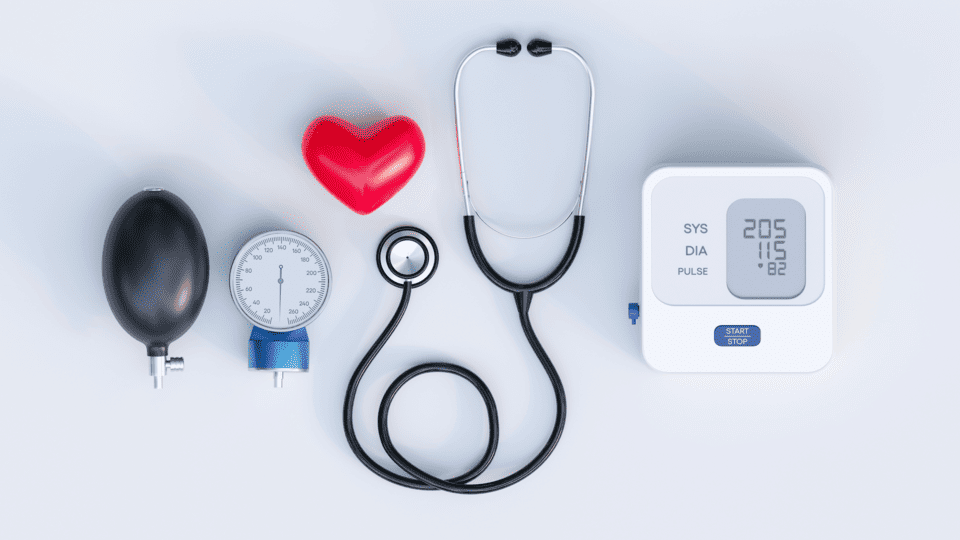
The heart is a vital organ that pumps blood from the heart to every part of the body, and the major blood vessels that transport blood from our heart to all our organs are known as arteries. Blood is pumped in a rhythmic, co-ordinated manner in one direction, exerting a pressure on the artery wall. This ‘blood pressure’ can be accurately measured using a blood pressure monitoring device (commonly used by GPs, but can also be measured at home).
Blood pressure can be raised in many circumstances – such as during exercise or when feeling strong emotions such as anger – and this is considered a completely normal phenomenon. However, when blood pressure is elevated on a consistent basis, then a diagnosis of hypertension may be made (by a healthcare professional).

Blood pressure is represented by two numbers: the systolic blood pressure and diastolic blood pressure. The systolic blood pressure refers to the maximum pressure exerted on the artery wall during contraction of the heart, and the diastolic blood pressure refers to the pressure within the arteries when the heart is in a relaxed state. For a healthy individual, the normal average daytime blood pressure should be under 130/85mmHg. If your blood pressure readings are consistently 140/90mmHg or higher (either number), then a diagnosis of hypertension may be present.


SBP – Systolic Blood Pressure (mmHg) / DBP – Diastolic Blood Pressure (mmHg)
Causes and Symptoms of Hypertension
Most people with hypertension have no noticeable signs or symptoms! According to the most recent National Population Health Survey in Singapore3, 53% of residents surveyed were unaware that they had hypertension!
Hypertension causes damage to our blood vessels, which can lead to accelerated accumulation of plaque disease causing narrowing if the arteries resulting in reduced blood flow. This can significantly increase the risk of heart attacks, heart failure, and strokes. Other complications of hypertension include vision loss, kidney failure, and sexual dysfunction.
Symptoms of hypertension (if present), include the following:

- Blurred vision
- Headaches
- Shortness of breath
- Chest pain
- Dizziness/light-headedness
- Nosebleeds
The only way to diagnose high blood pressure is by measuring it. You can book an appointment with your healthcare provider to check your blood pressure, or you can monitor it at home with a blood pressure monitor.
Constant high blood pressure on the vessel walls can damage the blood vessels, leading to a buildup of plaque and further narrowing them. This can increase the risk of heart diseases such as heart attack, heart failure, and stroke. Other complications of hypertension include vision loss, kidney failure, and sexual dysfunction.
What Causes Hypertension?
Hypertension, like other chronic diseases such as diabetes and hyperlipidaemia, is caused by a combination of lifestyle factors, genetics, and underlying health conditions. Key drivers of hypertension can be divided into non-modifiable and modifiable subgroups.
Non-Modifiable
Genetics – A family history of hypertension increases ones risk of developing it in future.
Age – Risk of hypertension increases significantly with age.
Modifiable
Dietary Habits – High salt intake leads to fluid retention, increased blood volume and higher blood pressure.
Lifestyle – Physical inactivity, smoking, and excessive alcohol intake increase the risk of developing hypertension.
Obesity – Being overweight or obese exerts increased pressure on the heart which can lead to the development of hypertension.
Stress – Long-term stress leads to increased stress hormone production resulting in higher blood pressures and elevated heart rates.
How to Manage Hypertension
Lifestyle modification is the mainstay in the treatment of hypertension. Medications may be required to achieve good blood pressure control, and reduce the risk of developing hypertension-related health complications. If you are diagnosed with hypertension or at risk of developing hypertension, here are some steps to undertake:
1. Reduce Salt Intake
Studies have shown that reducing daily sodium chloride intake can help lower blood pressure. The main sources of sodium in our diets come from the following:
Soups, Sauces, and Gravy
Sodium chloride is often added for flavor and preservation in soups, sauces, and gravy, which can significantly contribute to daily sodium intake.
Packaged and Processed Foods
Sodium is added in packaged and processed foods as a preservative, flavour enhancer, and stabiliser. This added sodium helps extend shelf life and improve taste, but can significantly increase your daily sodium intake.
It is recommended for a healthy individual to limit their sodium consumption to less than 2,300mg daily, which is equivalent to 1 to 1.5 teaspoons of salt. Individuals with medical conditions such as hypertension, can benefit from a low sodium diet.
Here are some ways to reduce sodium in your diet:
- Read food labels for serving size and sodium content on canned, bottled, and frozen foods before making a purchase.
- When dining out, request for dressings or sauces to be put on the side. Consume less gravy, sauces, and soup.
2. Moderate Alcohol Consumption
Do not consume more than one standard drink for women and two standard drinks for men per day [One standard drink: ⅔ can of beer (200ml), a small glass of wine (100ml), or a glass of spirit (30ml)].
3. Do Regular Exercise
Regular physical activity can reduce blood pressure and lower cholesterol levels, even if you do not lose weight.
- Children and adolescents (7 to 18 years old): At least 60 minutes of moderate to vigorous-intensity physical activity every day.
- Adults: 150 to 400 minutes of moderate-intensity aerobic activity each week.
4. Don’t Smoking
Studies have shown that tobacco in cigarettes is linked to an increased risk of developing hypertension. Therefore, people who smoke regularly are at a higher risk.


5. Maintaining / Achieving a Healthy Weight
The heavier you weigh, the more blood is required to supply oxygen and nutrients around your body, thus increasing the pressure on the vessel walls. It is recommended to maintain a healthy BMI of 18.5 to 22.9kg/m2.
6. Reduce Stress Level
High levels of stress can raise blood pressure and lead to unhealthy lifestyle habits that further contribute to hypertension, such as excessive alcohol consumption, smoking, physical inactivity, and a poor diet high in salt, sugar, and fats.
You can manage stress with the following ways:
- Practise meditation, deep breathing, or getting a massage.
- Get at least 7 hours of sleep at night.
What If My Blood Pressure Remains Elevated Despite Taking All Preventable Steps?
Blood pressure may remain elevated despite fully adopting lifestyle modifications. In these situations, oral medications may be required to achieve adequate blood pressure control. There is also a procedure known as renal artery denervation that can be considered. Please discuss these options with your regular healthcare provider.
Sources:
1Singapore Heart Foundation. “High Blood Pressure.” Singapore Heart Foundation, www.myheart.org.sg/health/risk-factors/high-blood-pressure/.
2Singapore Heart Foundation. “Heart Disease Statistics.” Singapore Heart Foundation, www.myheart.org.sg/health/heart-disease-statistics/.
32022 Singapore National Population Health Survey (NPHS)
References:
American Heart Association. “The Facts About High Blood Pressure.” American Heart Association, May 2023, www.heart.org/en/health-topics/high-blood-pressure/the-facts-about-high-blood-pressure.
National Heart, Lung, and Blood Institute. “High Blood Pressure – Causes and Risk Factors.” National Institutes of Health, Mar. 2022, www.nhlbi.nih.gov/health/high-blood-pressure/causes.
This article was contributed by: Dr Tan Joo Peng, Family Physician, Raffles Medical and updated by Dr Tan Sian-Tsung, Specialist in Cardiology & Consultant, Raffles Heart Centre.
Contributors