

Stroke and Stress: Is There A Connection?
Stress is a normal part of life. Whether it comes from work, family responsibilities, financial pressures, or major life changes, most people experience stress from time to time.
However, when stress becomes chronic and unmanaged, it can affect both physical and mental well-being. While stress alone does not directly cause most strokes, it can contribute to several health conditions that increase stroke risk.
Understanding the relationship between stress and stroke can help you take steps to protect your long-term health.
What is a stroke?
A stroke occurs when blood flow to part of the brain is interrupted, causing brain cells to become damaged or die. There are two main types of stroke:
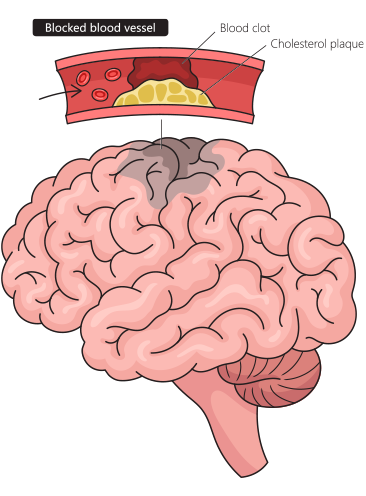
Ischaemic stroke
This is the most common type of stroke. It occurs when a blood vessel supplying the brain becomes blocked, usually by a blood clot. 
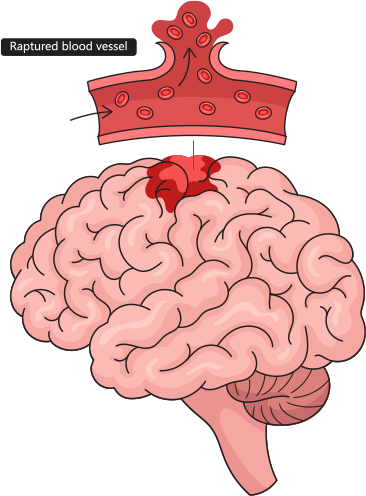
Haemorrhagic stroke
This occurs when a blood vessel in the brain ruptures and causes bleeding within or around the brain.
Important
Both types of stroke are medical emergencies that require immediate treatment.
Can stress increase your risk of stroke?
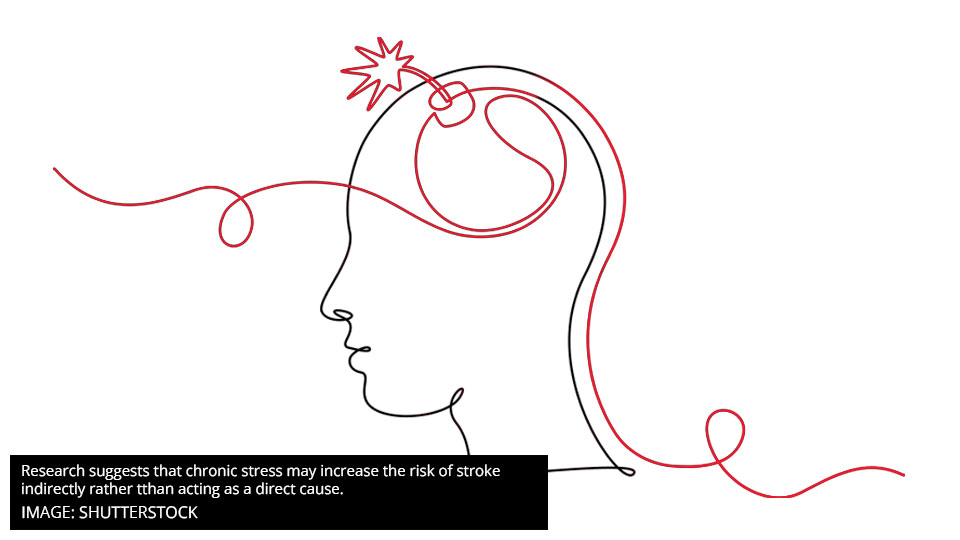
Research suggests that chronic stress may increase the risk of stroke indirectly rather than acting as a direct cause. When the body is under stress, it releases hormones such as adrenaline and cortisol. These hormones trigger the body’s “fight-or-flight” response, leading to:
- Increased heart rate
- Higher blood pressure
- Narrowing of blood vessels
- Increased inflammation
- Changes in blood clotting mechanisms
Over time, repeated activation of these stress responses may contribute to cardiovascular disease and stroke risk.
How does stress affect stroke risk factors? |
|
|---|---|
| Risk Factor | Why It Matters |
| High Blood Pressure | High blood pressure remains the single most important modifiable risk factor for stroke. Chronic stress may contribute to persistently elevated blood pressure, increasing the risk of both ischaemic and haemorrhagic strokes. |
| Poor Sleep | Insufficient sleep has been associated with:
These conditions can significantly increase stroke risk. |
| Unhealthy Coping Habits | Stress may lead to:
These lifestyle factors can further increase the risk of stroke and heart disease. |
| Diabetes and Metabolic Health | Long-term stress may affect blood sugar regulation and contribute to insulin resistance, increasing the risk of type 2 diabetes. Diabetes is a major risk factor for stroke. |
What about overwork?
Long working hours have been associated with an increased risk of stroke in several large population studies.
Researchers believe the relationship is likely multifactorial and may involve:
- Chronic stress
- Sleep deprivation
- Physical inactivity
- Poor dietary habits
- Elevated blood pressure
Working long hours does not automatically mean someone will have a stroke. However, individuals who work extended hours should pay particular attention to their cardiovascular health and lifestyle habits.
Can stress cause an aneurysm to rupture?
A brain aneurysm is a weakened area in a blood vessel wall that balloons outward.
Many aneurysms never rupture and remain undetected throughout life.
Studies have suggested that sudden increases in blood pressure may trigger rupture in susceptible individuals. Potential triggers include:
- Intense physical exertion
- Severe emotional stress
- Anger
- Straining during bowel movements
However, stress alone does not cause aneurysms to form. Most aneurysms develop due to a combination of factors, including age, smoking, high blood pressure, family history, and certain medical conditions.
What are the warning signs of a stroke?
Recognising stroke symptoms early can save lives and reduce long-term disability.
| Remember the acronym FAST: | ||
|---|---|---|
| F | Face Drooping | One side of the face may droop or feel numb. |
| A | Arm Weakness | One arm may feel weak or numb. |
| S | Speech Difficulty | Speech may become slurred or difficult to understand. |
| T | Time to Call for Help | If any of these symptoms occur, seek emergency medical attention immediately. |
| Other warning signs |
|
|
What are the main risk factors for stroke?
Many stroke risk factors can be modified through lifestyle changes and medical treatment.
Major risk factors include:
- High blood pressure
- Smoking
- Diabetes
- High cholesterol
- Obesity
- Physical inactivity
- Excessive alcohol consumption
- Atrial fibrillation and other heart conditions
- Chronic stress
- Poor sleep
Managing these conditions can significantly reduce stroke risk.
How can you reduce stress and protect your health?
| While it is impossible to eliminate stress completely, healthy coping strategies can help reduce its impact. | |
|---|---|
| Lifestyle Strategy | How It Helps |
| Stay Physically Active | Regular exercise helps lower blood pressure, improve mood, and reduce stress hormones. |
| Prioritise Sleep | Aim for seven to nine hours of quality sleep each night. |
| Maintain Social Connections | Strong relationships and support networks can improve emotional resilience. |
| Practise Relaxation Techniques | Activities such as meditation, mindfulness, prayer, yoga, or deep breathing exercises may help manage stress levels. |
| Manage Chronic Medical Conditions | Regular health screening and appropriate treatment for conditions such as hypertension, diabetes, and high cholesterol are important for stroke prevention. |
Protecting your long-term brain health
Stress is only one piece of the puzzle when it comes to stroke prevention. Managing blood pressure, maintaining a healthy lifestyle, getting adequate sleep, and seeking medical care for underlying conditions remain the most effective ways to reduce your risk.
If you have concerns about your stroke risk factors, high blood pressure, or cardiovascular health, speak with a doctor at Raffles Medical. For specialised assessment and management of stroke risk, consult a specialist at Raffles Neuroscience Centre.
This article was reviewed by Dr David Choy Kim Seng, Specialist in Neurosurgery & Senior Consultant, Raffles Neuroscience Centre
Contributors

In this article



