Impact of Haze and how to protect your respiratory health
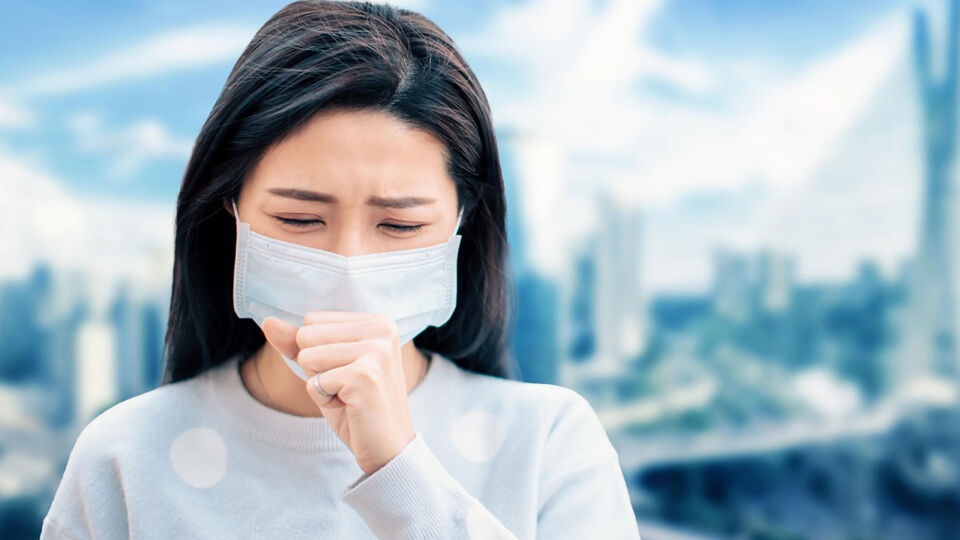
As haze episodes become increasingly frequent in Southeast Asia, safeguarding your respiratory health has never been more important. Prolonged exposure to haze can irritate your airways, exacerbate chronic conditions like asthma or chronic obstructive pulmonary disease (COPD), and reduce overall lung function. Understanding the risks and taking proactive steps is essential to protect yourself and your loved ones.
How haze affects your respiratory system
Haze contains fine particulate matter (PM2.5) and pollutants that can penetrate deep into your lungs. Common effects include:
- Irritated airways leading to coughing, wheezing, and shortness of breath
- Exacerbation of chronic conditions such as asthma or chronic obstructive pulmonary disease (COPD)
- Increased susceptibility to infections, as lung defences may be weakened
Vulnerable groups, including children, the elderly, and individuals with pre-existing respiratory or heart conditions, are at greater risk.
Steps to protect yourself
Monitor air quality: Use local apps or government advisories to track the Pollutant Standards Index (PSI).
Stay indoors during peak haze: Keep windows and doors closed. Use air purifiers if possible.
Use masks wisely: N95 or equivalent respirators can filter out harmful particulate matter.
Maintain hydration and lung health: Drink plenty of water and avoid outdoor exertion.
Seek professional advice: Consult a healthcare provider if you experience persistent cough, breathlessness, or chest discomfort.
| 24 hour PSI forecast | 0–50 Good |
51–100 Moderate |
101–200 Unhealthy |
201–300 Very Unhealthy |
>300 Hazardous |
|---|---|---|---|---|---|
| Healthy persons | Normal activities | Normal activities | Reduce prolonged or strenuous outdoor activity | Avoid prolonged or strenuous outdoor activity | Minimise outdoor activity |
| Elderly, pregnant women, children | Normal activities | Normal activities | Minimise prolonged or strenuous outdoor activity | Minimise outdoor activity | Avoid outdoor activity |
| Persons with chronic lung or heart disease | Normal activities | Normal activities | Avoid prolonged or strenuous outdoor activity | Avoid outdoor activity | Avoid outdoor activity |
PSI activities advisory source: https://www.moh.gov.sg/others/haze/
PSI monitoring: https://www.haze.gov.sg/
When to seek medical help
If you experience severe symptoms such as persistent shortness of breath, chest pain, dizziness, or wheezing, it is crucial to seek medical attention promptly. Early intervention can prevent complications and ensure your respiratory health remains intact.
At Raffles Medical clinics, we offer comprehensive assessments for haze-related respiratory concerns, including lung function tests, asthma management, and personalised treatment plans. Our clinics are equipped to provide expert advice and timely care for patients of all ages.
Protect your lungs today. Book an appointment at your nearest Raffles Medical clinic and take proactive steps against haze-related health risks.
🌫️
Why haze is harmful
Haze is harmful because it contains fine particulate matter (PM2.5) that can penetrate deep into the lungs and affect breathing.
- Fine particulate matter (PM2.5) can penetrate deep into the lungs
- Irritation of airways may cause coughing, wheezing, or shortness of breath
- Can aggravate asthma or chronic obstructive pulmonary disease (COPD)
This article was reviewed by Dr Low Teck Boon, Specialist in Respiratory Medicine, Senior Consultant, Raffles Internal Medicine Centre
Contributors