
Essential Guide to Oral Health During Pregnancy
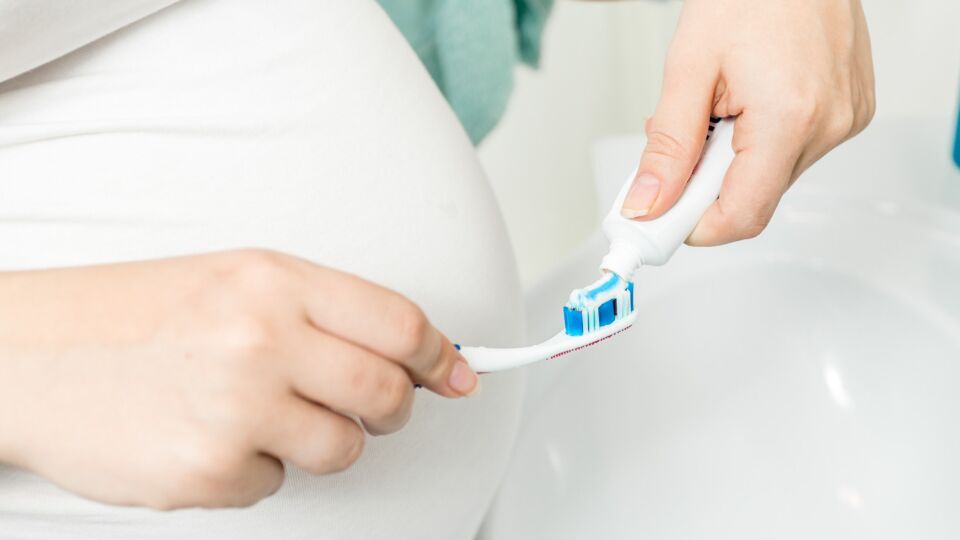
Congratulations on your pregnancy! While you prepare for the arrival of your little one, do not overlook your own oral health. According to the American Dental Association, good oral healthcare plays an important role in supporting a healthy pregnancy and the well-being of both mother and child[1].
Research has shown a connection between severe gum disease (periodontitis) and negative pregnancy outcomes, such as pre-eclampsia and preterm birth. Periodontal disease is a significant risk factor for pre-term delivery and low birth weight (PTLBW), with some studies suggesting up to a sevenfold increase in risk among affected mothers[2]. Bacteria and inflammatory mediators from severe gum infections can enter the bloodstream and affect the placenta, potentially triggering early labour and low birth weight. Therefore, pregnant women should receive a thorough gum and oral assessment as part of their prenatal care to identify and manage this risk factor.
Although there is no conclusive evidence that good oral healthcare improves pregnancy outcomes, it is advisable to maintain good oral hygiene to reduce inflammation and its associated hormonal disturbances.

Common dental issues during pregnancy
- Pregnancy-related gum disease (pregnancy gingivitis) is common but can be managed with regular gum cleaning and home care.
- Pregnancy can increase the risk of gum problems like severe gingivitis (infection of the gums) due to hormonal changes. Gums can become red, swollen, tender, and bleed easily. If left untreated, gingivitis can progress to periodontitis, which affects the supporting tissues and bone that hold your teeth in place, causing tooth loosening and bone loss.
- Localised gum lumps (pregnancy epulis) may develop along the gum line or between teeth. They are non-cancerous and usually aggravated by poor oral hygiene or a pre-existing gum disease. These lumps usually go away on their own after pregnancy, but they can be removed under a local anaesthetic if they bother you.
- Increased snacking and morning sickness can raise the risk of tooth decay, erosion, and gum disease.

Tips for oral care during pregnancy
 |
Brush and floss daily to reduce bacteria and prevent gum disease. |
 |
Visit your dentist regularly for checkups and cleanings. Do not skip dental appointments because of pregnancy. |
 |
Eat a healthy and balanced diet containing calcium-rich foods to support your baby’s developing teeth and bones. |
 |
If morning sickness makes brushing difficult, try bland toothpaste or rinse with water after vomiting. |
 |
Limit sugary snacks to reduce the risk of tooth decay, even during cravings. |
When to visit the dentist
Routine dental checks are safe throughout pregnancy. Throughout the pregnancy period, the second trimester is considered the best time for dental work.
Dental care support
Taking care of your oral health is an important part of a healthy pregnancy!
At Raffles Dental, we are committed to supporting you through every stage of your pregnancy journey. Our team of gum specialists and dentists are readily available to support and guide you to maintain optimal oral health during this exciting time.
Sources
Oral health during pregnancy
- The Journal of the American Dental Association, Volume 142, Issue 5, 574
- Periodontal Disease – The Emergence of a Risk for Systemic Conditions: Pre-term Low Birth Weight
Annals of Academy Medicine Singapore 2005;34:111-6
This article was reviewed by: Dr Nora Heng, Dental Specialist in Periodontics, Senior Consultant, Raffles Dental
Contributors


Our dentists provide a comprehensive range of services to prevent, diagnose and treat dental and oral diseases.


