

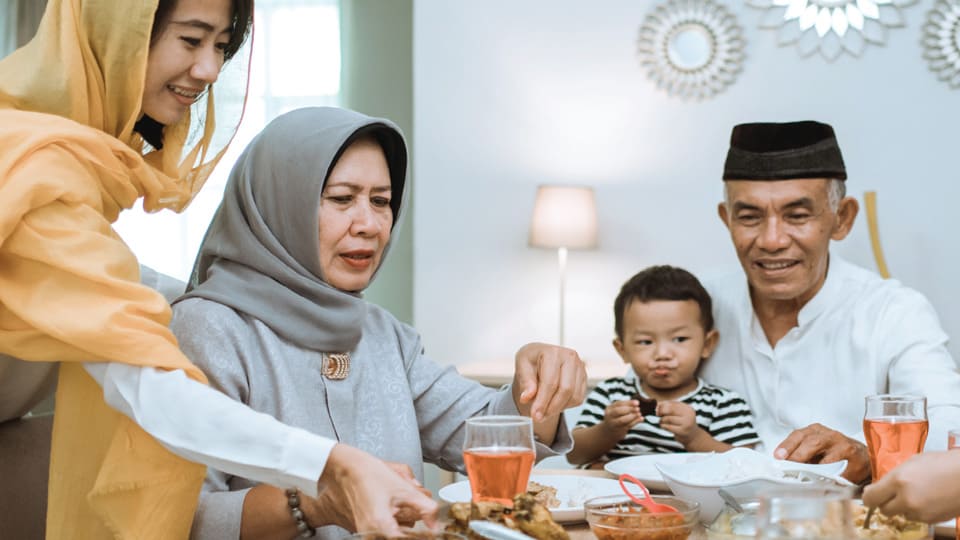
Fasting during Ramadan: What an older person needs to know
Ramadan is a holy and cultural month of fasting for Muslims. Muslims are required to fast in this Holy Month during Ramadan, although there are certain exemptions, such as being down with an illness, pregnant or travelling. Fasting is one of the five pillars of Islam. Fasting during Ramadan has health benefits which include loss of extra body weight, better control of chronic illness like diabetes and high blood pressure and a sense of mental and emotional wellness.
Not all older people may be able to fast.
There is no age limit to fasting. An older healthy adult may continue to fast. However, an older person suffering from illness might not be able to fast as it may be more harmful to their health. One example is an older person with diabetes who has had issues with his blood sugar going very low or high, which may be a life-threatening condition. This person was admitted to the hospital due to blood sugar issues in the last three months. Such an older person may not be able to fast. However, this does not happen to all older people with diabetes.
Another example is an older person who has kidney or heart issues. They may experience problems with water regulation in their body. As such, they may become easily dehydrated when fasting and become very swollen when they drink too much water after breaking their fast. It is best to check your risk with your doctor.
Older people are at risk of falls. A fall in an older person may be dangerous as it can lead to injury and even death. An older person who has fallen before may be at risk of falling again. The effects of fasting in an older person, including muscle weakness, lethargy, and giddiness may increase their risk of falls. It is best to check with a doctor before deciding to fast.
Older people who are not able to fast may feel depressed.

“Postural Hypotension” may occur due to dehydration.
An older person may be prone to the effects of dehydration during Ramadan. They may be developing a condition called “postural hypotension”. This is a condition where your blood pressure may drop when you change positions from lying to standing. “Postural hypotension” is a known side effect of high blood pressure medications. Older people are at an increased risk of high blood pressure. There is a chance that they might be consuming such medications. People who have “postural hypotension” may experience symptoms like giddiness or a near faint when they stand from a sitting or lying position and may fall as a result.
There are some tips to overcome this condition. Get up from a lying to standing position in stages. This means if you are getting up from a lying position you should sit up first. If you feel ok, you may then proceed to stand up. You may repeat this and sit and stand a few times before you start walking. The purpose of doing so is to pump up the blood pressure to prevent it from being too low and thus preventing fainting and a fall. Rehydrate as much as possible during the hours between Iftar and Suhoor.
Older people with diabetes need to be more careful when fasting.
Older people with diabetes are sensitive to the shifts in water and blood sugar levels while fasting. They should seek advice from their doctor and have their medications reviewed before deciding if it is safe for them to fast. Adjustments to the medication dose, medication type and timing may be required.
Self-monitoring of blood sugar levels with a skin prick test and a glucometer or a blood sugar monitoring device at home is vital. It is recommended that people with diabetes check their blood sugar levels more often when they are
fasting. They should do so at these points:
- Before and after Suhoor,
- Before and after Buka,
- At midday and mid-afternoon,
- At any time that they feel unwell with symptoms of either high or low sugar.
Other tips for an older person to fast safely would be to delay the timing of Suhoor and to break fast as soon as it is time to “buka”. They should choose complex carbohydrates, like brown rice or pasta, consume more vegetables and avoid sweetened drinks and dessert.
Changes with sleep and activity
An older person will have their sleep and wake schedules change during Ramadan. They may be awake at night for periods while praying Terawih or Tahajjud. They may also be eating and drinking more at night, causing them to use the toilet more often. They may also feel sleepy or tired at this time. As such, the toilet is commonplace for an older person to fall due to a few reasons. The lighting might be poor and the floor may be wet. They may have to stand from a sitting position, resulting in “postural hypotension”.
Some ways to make toileting safe at night is to use improved lighting in the bedroom and toilet by using a night light, installing grab bars in the toilet, and ensuring that the older persons walking devices and spectacles are by the bedside ready for use.
What to eat and drink?
It is critical to look after the nutrition of an older person during Iftar and Suhoor.
- Break the fast with lots of water and some dates for a quick energy source and to rehydrate.
- Drink lots of water between Iftar and Suhoor.
- Eat carbohydrates that are complex from whole grains, fruit and vegetables.
- Eat good quality lean protein.
- Limit the intake of fat and consumption of sugar.
- Avoid the Ramadan food bazaars as much as possible.


Some healthy meals and side dishes to eat during Iftar and Suhoor include:
- Savoury oats porridge with chicken and broccoli
- Steamed spring roll filled with prawn, turnip and beansprouts (Popiah Basah)
- Grilled fish with tamarind sauce (Masak Assam)
- Grilled tempeh and sambal with brown rice
- Spinach and mushroom in the soup
- Fresh green salad: Cucumbers, tomatoes and salad leaves with lemon juice dressing
In summary, an older person may be able to fast safely with adequate preparation and monitoring of their illness. Consulting their doctor or pharmacist will allow them to tailor their medications accordingly. They should choose healthy and wholesome meals that include complex carbohydrates, fresh fruit and vegetables while avoiding sweetened drinks and sugary foods, including desserts.
Be the First to Know!
Like what you see? Receive more health and wellness articles from Raffles Medical Group to aid you in leading a healthy lifestyle.
Related Specialist Centre

Our services include gastroenterology, geriatric medicine, nephrology, rheumatology & allergy and pulmonology care.


