
Hantavirus: A Health Advisory on Risks, Symptoms, and Prevention
Hantaviruses are a group of viruses spread mainly by rodents. While infections in humans are relatively rare, they can lead to severe and sometimes fatal respiratory or kidney diseases. Understanding how the virus is transmitted and taking simple precautions at home or while travelling can significantly reduce your risk.
Note to the public
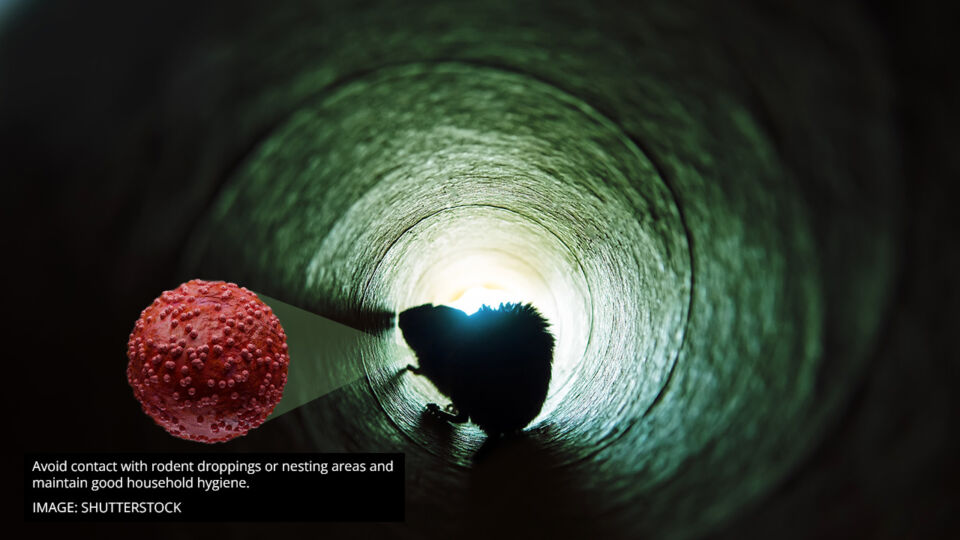
In Singapore, the risk of hantavirus infection remains low due to strong urban sanitation standards and effective pest control measures. However, occasional rodent activity in residential estates, food establishments and construction sites means basic precautions are still important, particularly avoiding contact with rodent droppings or nesting areas and maintaining good household hygiene.
How hantavirus is transmitted
The primary carriers of hantaviruses are rodents, such as mice and rats. Unlike many other tropical diseases, hantavirus is not spread by mosquitoes, ticks, or other insects. Instead, humans generally become infected through:
- Inhalation: This is the most common route. When rodent urine, droppings, or nesting materials are disturbed, tiny droplets containing the virus enter the air. Humans breathe in these contaminated particles.
- Direct contact: Touching rodent waste or nesting materials and then touching your mouth, nose, or eyes.
- Bites: Although rare, an infected rodent bite can transmit the virus to humans.
Human-to-human transmission has been documented only for the Andes virus in the Americas and remains uncommon. When it does occur, transmission has been associated with close and prolonged contact, particularly among household members or intimate partners. All other hantavirus strains are not known to spread between people.
In the Americas, hantaviruses typically cause hantavirus pulmonary syndrome (HPS), while strains in Europe and Asia more commonly cause haemorrhagic fever with renal syndrome (HFRS).
Recognising the symptoms
Symptoms of HPS usually start to show one to eight weeks after contact with an infected rodent, with the typical onset occurring within two to three weeks. Early symptoms often resemble the flu, making it vital to monitor your health if you have been in contact with rodents or their environments.
Early symptoms
These initial signs usually last for several days and include:
- High fever and chills
- Deep muscle aches (thighs, hips, and back)
- Fatigue, dizziness, and headaches
- Abdominal pain, nausea, or vomiting
Late symptoms
As the illness progresses, it can take two different paths depending on the strain.
Respiratory distress (HPS)
Four to ten days after the initial phase of illness, late symptoms of HPS appear, including coughing and shortness of breath as the lungs fill with fluid.
Kidney complications (HFRS)
Patients may experience sudden, intense back pain, blurred vision, or internal bleeding and kidney failure.
Global risks and travellers profile
Hantavirus is a global health consideration, but the specific risks vary significantly depending on your destination. In North America, the Sin Nombre virus is the primary cause of HPS, most commonly linked to the deer mouse. Rodent carriers in South America include the rice rat and the vesper mouse. Meanwhile, in Europe and Asia, the Puumala, Dobrava, and Hantaan viruses are more prevalent, causing HFRS, and are often found in bank voles and field mice.
For the international traveller, the risk profile is usually determined by the type of travel. Urban tourists staying in modern, high-rise hotels in cities like London, Tokyo, or New York face negligible risk. However, those pursuing off-the-beaten-path experiences must be significantly more cautious. Seasonal changes also play a role. For instance, in many regions, rodent activity increases during the spring and autumn or following heavy rainfall when food sources for rodents are more abundant.
Advisory for international travellers
Hantavirus is a risk for those travelling to rural, forested, or farming regions globally. Travellers engaging in outdoors activities are at a higher risk.
Risks while overseas
- Camping and hiking: Staying in trail shelters or cabins where rodents may nest.
- Eco-tourism: Visiting rural areas or staying in rustic accommodation that may not be rodent-proofed.
- Adventure travel: Exploring caves or abandoned buildings where dust and rodent waste have accumulated.
Safety measures abroad
- Inspect accommodation: Look for signs of rodents (droppings or chewed packaging). If the area looks unkempt, request a different room.
- Avoid sleeping on the ground: Use a cot or a tent with a sewn-in floor.
- Air out enclosed spaces: If you must enter a dusty, unused building, open all doors and windows for at least 30 minutes before entering.
Post-travel: Returning home
Because the incubation period can be up to eight weeks, you may feel healthy when you land but develop symptoms weeks later.
If you become unwell after returning from a high-risk region, seek medical attention immediately. It is essential to declare your full travel history, including whether you stayed in rural areas, went camping, or encountered rodents. Early intervention is key to managing the symptoms effectively.
Prevention and control: Rodent proofing
The most effective way to prevent hantavirus is to eliminate contact with rodents in your home and workplace.
- Seal up: Use steel wool or caulk to plug even the smallest holes in walls, floors, and around pipes to prevent rodents from entering.
- Trap up: Use snap traps to reduce rodent populations. Avoid glue or live traps, as these can cause rodents to urinate in fear, increasing the risk of spreading the virus.
- Clean up: Do not sweep or vacuum rodent-affected areas, as this stirs up virus particles. Instead, wet the area with a disinfectant or a bleach-water mixture. Let it soak for 5 minutes before wiping with a paper towel. Always wear gloves and a mask when cleaning.
Your health, our priority
There is currently no specific vaccine or cure for hantavirus, which makes prevention and early supportive care essential. Whether you are seeking a pre-travel consultation or require a health assessment after returning from overseas, our team is here to help.
For further advice, please visit your nearest Raffles Medical clinic.