

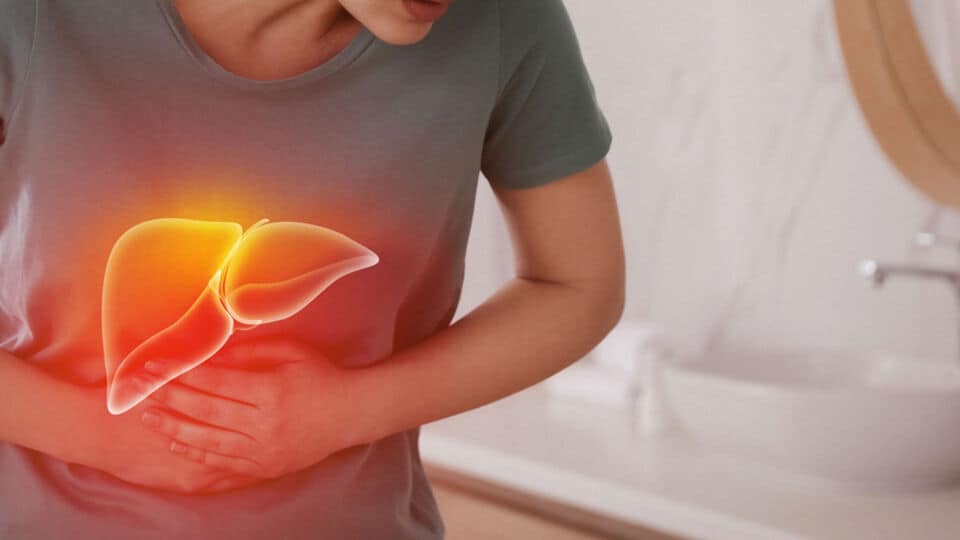
Getting to know Liver Cancer in Two Minutes
Did you know that our liver is almost the size of an American football? It is our body’s largest and heaviest internal organ. Liver cancer occurs when there are abnormal and malignant growths in the organ.
There are two main types of liver cancer. The primary type is known as hepatocellular carcinoma (HCC) where cancer cells originate from the liver. The secondary type occurs when cancer cells spread from other parts of the body to the liver.
What are the symptoms of liver cancer?
Similar to most diseases, liver cancer often present with little to no symptoms in the early and intermediate stages. Hence, regular health screening is key for detection.
Moreover, it often also shares similar symptoms as other liver health conditions such as:
- Upper abdominal pain
- Abdominal swelling
- Swelling to both legs
- Unexplained, sudden weight loss
- Frequent nausea and vomiting
- Massive vomiting of blood
- Black maroon-coloured stools
What are the causes of liver cancer?
The main causes of liver cancer include:
- Chronic hepatitis B of any stage
- Liver cirrhosis of any aetiology
- Metabolic dysfunction-associated fatty liver disease (MAFLD)
What are the risk factors of liver cancer?
- Chronic hepatitis B and/or C infection
- Diseases that cause liver cirrhosis, a progressive and irreversible condition that causes scar tissues to form in the liver
- Non-alcoholic fatty liver disease where there is an accumulation of fat in the liver
- Excessive alcohol consumption over the years causes irreversible damages to the liver
- Smoking
Can liver cancer be treated?
Various liver cancer treatments are available and are usually individualised to each patient. Treatment plans take into consideration the following:
- Cancer stage
- Size and number of liver cancer tumours
- Underlying liver function of patient
- General health and fitness of patient
What kind of treatments are there for liver cancer?
Liver cancer surgeryFor patients who aresuitable, surgery remains the best option as it has a higher cancer recovery rate. During a liver cancer surgery, a liver resection or liver transplant takes place. Liver resection allows the cancerous part of the liver to be removed, while retaining just enough liver for the organ to continue functioning and supporting the body. |
|
Liver transplantIn more severe cases where multiple cancer modules is present, or when the cancer is more advanced, liver transplant may be recommended. The liver may come from a cadaveric donor, or a living donor who is willing to donate part of their healthy liver. After a liver transplant, the patient will be required to be on immunosuppression medication for life. |
|
Tumour ablationTumour ablation is a treatment that destroys liver cancer cells with heat or alcohol. Ablation treatment can be carried out via radiofrequency ablation, where radiofrequency generates heat to kill the cancer cells, or microwave, which is another source of energy for tumour ablation. |
|
Chemotherapy and radiotherapyThey are often carried out when surgery is not possible. It may also be done ahead of surgery to shrink the size of the tumour(s), and to prevent them from growing. |
|
Transarterial chemoembolisation (TACE)Procedure involves injecting a combination of cancer-fighting drugs and an embolic agent into the tumour. This in turn blocks off the tumour’s blood support. |
While primary liver cancer is usually aggressive (with HCC being the third most fatal cancer in Singapore), early-stage liver cancers often respond well with treatments and can present higher chances of survival for patients.
Reduce your risk of liver cancer by getting screened regularly and taking preventive measures to protect your health. They include limiting alcohol and tobacco consumption, getting vaccinated against hepatitis B and C, and maintaining a healthy body weight. Take charge of your health and get screened today!
This article was reviewed by Dr Woo Shu Jeng Specialist in Gastroenterology and Consultant, Raffles Internal Medicine Centre.
Contributors

Related Specialist Centre

Personalised your care and treatment according to your individual needs with Raffles Internal Medicine’s wide range of medical sub-specialties.


