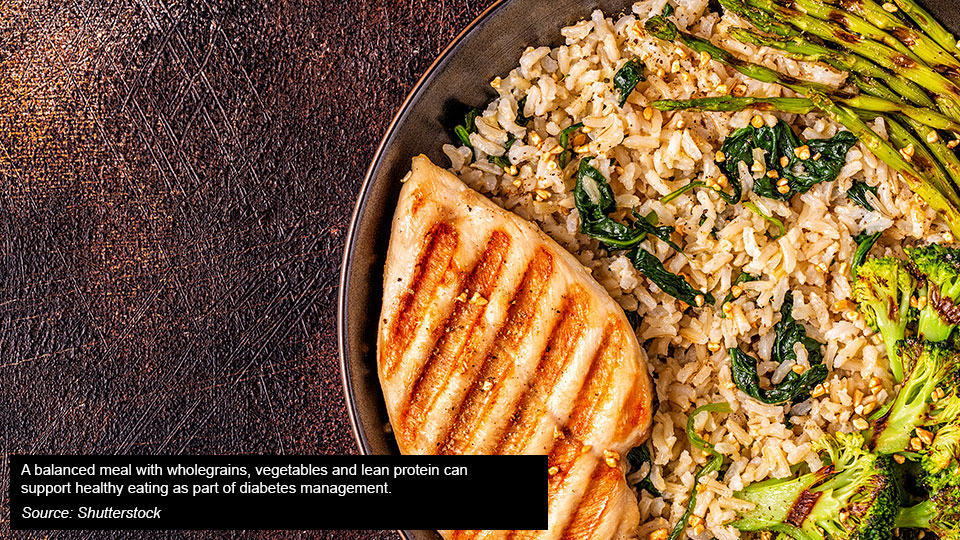
Diabetes-friendly Diet: What to Eat, What to Limit and How to Plan Your Meals
Being diagnosed with diabetes does not mean giving up your favourite foods or following a restrictive diet. However, understanding how different foods affect your blood glucose levels can help you make better dietary choices and manage your condition more effectively.
A well-planned diabetes-friendly diet supports blood glucose management, helps maintain a healthy weight and contributes to overall health. The aim is not to follow a temporary diet or eliminate entire food groups, but to develop sustainable eating habits that meet your nutritional needs.
Whether you have recently been diagnosed with diabetes or have been managing the condition for years, knowing what to eat, how much to eat and how to plan your meals can make a meaningful difference.
What is a diabetes diet?
A diabetes-friendly diet is an eating plan designed to help people with diabetes manage their blood glucose levels while meeting their nutritional requirements.
There is no single diet that works for everyone. Your dietary needs depend on factors such as your type of diabetes, age, activity level, medication, existing health conditions and personal food preferences.
Carbohydrates, in particular, deserve attention because the body breaks them down into glucose, which enters the bloodstream. They are found in foods such as rice, bread, noodles, potatoes, fruit and milk.
However, carbohydrates are not the only consideration. Protein, fats and fibre also contribute to a balanced diet and influence how your body processes food.
A suitable eating plan should therefore consider:
- The type and amount of carbohydrates you consume.
- The nutritional quality of your food.
- Appropriate serving sizes.
- Your daily energy and nutritional requirements.
- Your medication and blood glucose management goals.
Five dietary principles for managing diabetes
Eating out with diabetes: Making healthier choices
Eating out is part of everyday life in Singapore. Having diabetes does not mean avoiding hawker centres, food courts or restaurants. Small adjustments to familiar dishes can help you make more suitable choices.
| Common choice | Alternative to consider |
|---|---|
| Fried rice or fried noodles | Sliced fish soup with a controlled portion of noodles |
| Deep-fried chicken | Steamed or roasted chicken without the skin |
| Sweetened kopi or teh | Kopi-O kosong or teh-O kosong |
| Dishes with heavy gravy | Dishes with gravy or sauces served separately |
| Large portions of rice | A smaller rice portion with additional vegetables |
When ordering economy rice, for example,
Select two vegetable dishes, a lean protein option and an appropriate serving of rice. Some stalls also offer brown rice. You can also ask for less gravy or choose steamed and grilled dishes more frequently.
These adjustments allow you to continue enjoying local favourites while being more mindful of your dietary needs.
Common myths about a diabetic diet
Misconceptions about food can make diabetes management unnecessarily restrictive. Here are four common myths worth understanding.
| Common myth | Fact |
|---|---|
| Myth 1: People with diabetes cannot eat rice. | Rice can remain part of a balanced eating plan. The type and portion size matter. Wholegrain varieties generally provide more fibre than refined rice. |
| Myth 2: People with diabetes should avoid fruit. | Whole fruits provide vitamins, minerals and fibre. Aim for two servings a day. Fruit juices are generally less suitable than whole fruits for blood glucose management. They contain less fibre and can provide a concentrated source of carbohydrates, which may cause blood glucose levels to rise more quickly. |
| Myth 3: Sugar-free products are always suitable for people with diabetes. | Sugar-free does not necessarily mean carbohydrate-free or healthier. Some products may still contain significant amounts of carbohydrates, saturated fat or calories. Check the nutrition information panel before purchasing. |
| Myth 4: Everyone with diabetes should follow a low-carbohydrate diet. | There is no single dietary approach that suits everyone. Reducing carbohydrate intake may be appropriate for some individuals, but dietary changes should take into account medical needs, medication and nutritional requirements. |
When should you consult a dietitian?
If you are unsure how to adjust your diet after a diabetes diagnosis, a registered dietitian can help translate dietary advice into a practical, personalised eating strategies.
A dietitian can assess your current eating habits, nutritional requirements and health goals before recommending suitable changes. This is especially important if you have other conditions, such as kidney disease or high cholesterol, which may require additional dietary considerations.
If you take insulin or blood glucose-lowering medication, consult your doctor before making significant dietary changes. Your medication may need adjustment to prevent hypoglycaemia.
Make every meal count
Managing diabetes through diet is not about perfection or giving up the foods you enjoy. It is about making informed choices that support your health over time.
Start with small changes, such as adjusting your carbohydrate portions, choosing healthier ingredients and being more mindful of what you drink. With the right guidance and sustainable eating habits, you can enjoy a varied diet while working towards better blood glucose management.
For personalised advice, speak toa dietitian who can guide you in making dietary changes that meet your individual needs.
This article was reviewed by Ms Madeline Ng, Senior Dietitian, Raffles Diabetes and Endocrine Centre
Contributors