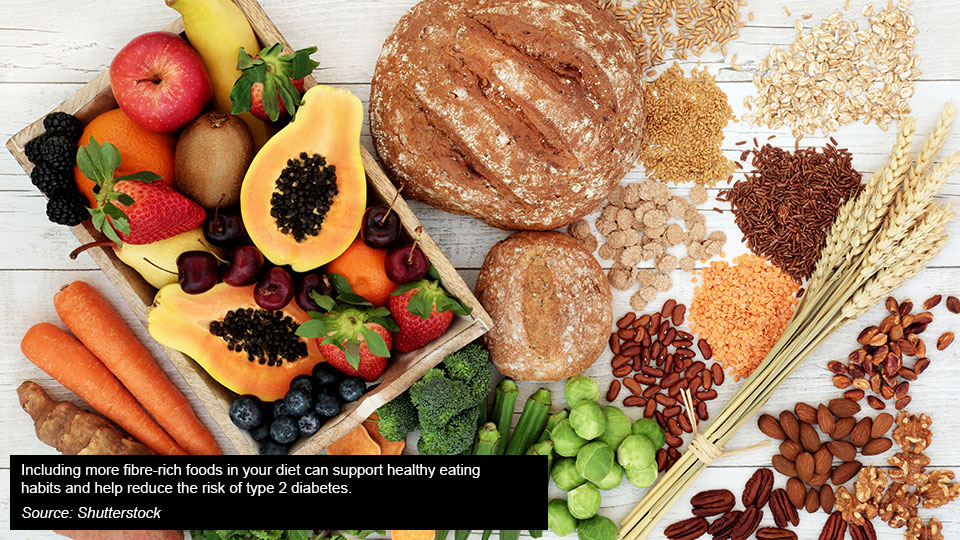
Can Your Diet Lower Your Risk of Type 2 Diabetes? Foods to Eat and Habits to Adopt
Type 2 diabetes is influenced by several factors, including genetics, age, body weight and lifestyle. While some risk factors cannot be changed, your dietary habits are one area where you can make a difference.
The foods you eat regularly can influence your body’s ability to regulate blood glucose and respond to insulin. Over time, an eating pattern that is high in refined carbohydrates, added sugars and excess calories may contribute to weight gain and increase the risk of developing type 2 diabetes.
The good news is that you do not need to follow a complicated diet or give up all your favourite foods. Making informed choices, improving the quality of your meals and developing sustainable eating habits can help lower your risk.
Here is what to know about eating to reduce your risk of type 2 diabetes.
How does your diet influence your risk of diabetes?
When you eat, your digestive system breaks down carbohydrates into glucose, which enters your bloodstream. Your pancreas then produces insulin, a hormone that helps glucose move from your bloodstream into your body’s cells for energy.
Type 2 diabetes develops when the body becomes less responsive to insulin, a condition known as insulin resistance. Over time, the pancreas may no longer produce enough insulin to compensate for this resistance, resulting in elevated blood glucose levels.
Your overall dietary pattern can influence this process. Regularly consuming more energy than your body needs may contribute to excess body fat, particularly around the abdomen, which is associated with insulin resistance.
Conversely, a diet rich in fibre, plant-based foods and minimally processed ingredients can support healthy weight management and metabolic health.
No single food can guarantee protection against diabetes. It is the combination of your food choices and eating habits over time that matters.
What dietary changes can help reduce your risk of type 2 diabetes?
1. Make wholegrains a regular part of your meals
Not all carbohydrates have the same nutritional value. Refined grains, such as white bread and white rice, undergo processing that removes much of their fibre and some nutrients.
Wholegrains retain more of their natural components, including fibre, vitamins and minerals. Their higher fibre content helps slow digestion and supports better appetite regulation.
Consider incorporating:
- Brown rice and mixed-grain rice.
- Rolled or steel-cut oats.
- Wholemeal bread.
- Wholegrain noodles and pasta.
- Barley and quinoa.
You do not have to replace every serving of white rice immediately. Start by mixing brown rice with white rice in equal proportions or choose wholegrain options for selected meals.
2. Eat more legumes and plant-based foods
Beans, lentils, chickpeas and other legumes are valuable additions to a balanced diet. They provide dietary fibre, plant-based protein and various micronutrients.
Their combination of protein and fibre makes them filling and helps moderate the rate at which carbohydrates are digested.
Try adding:
- Lentils to soups and stews.
- Chickpeas to salads.
- Red beans to savoury dishes.
- Tofu and tempeh to everyday meals.
- Edamame as a snack or side dish.
You can also experiment with meat-free meals a few times a week. For example, replace a meat-based dish with tofu, beans and legumes.
3. Choose whole fruits over fruit juices
Fruits contain naturally occurring sugars, but they also provide fibre, vitamins, minerals and plant compounds that support overall health.
The way you consume fruit matters. Whole fruits retain their fibre, while juicing removes much of the pulp and makes it easier to consume several servings of fruit in one sitting. Aim for two servings of fruits per day.
Here are some examples of one serving of fruit:
- 1 apple, pear or orange
- ½ a guava or dragon fruit
- 1 slice of papaya or honeydew
Choose whole fruit rather than fruit juice or sweetened fruit drinks. You should also be mindful of portion sizes, particularly when consuming dried fruit, which is more concentrated.
4. Include nuts and seeds in your diet
Nuts and seeds provide unsaturated fats, fibre, protein and other nutrients. They can be a useful addition to meals and snacks, particularly when they replace options high in saturated and trans fats.
Consider:
- Almonds and walnuts.
- Pistachios.
- Pumpkin seeds.
- Chia seeds.
- Flaxseeds.
Add a small portion of nuts to your breakfast, sprinkle seeds over yoghurt or include them in salads.
Choose unsalted varieties where possible and be mindful of serving sizes, about a handful (30g), as nuts and seeds are energy-dense foods.
5. Cut back on processed meat and refined foods
The quality of your protein and carbohydrate sources matters.
Frequent consumption of processed meats, such as sausages, bacon, ham and luncheon meat, has been associated with a higher risk of type 2 diabetes.
You can make more balanced choices by including fish, eggs, tofu, beans and fresh lean meat in your meals.
It is also worth reducing your reliance on highly refined foods, such as pastries, sweet biscuits, cakes and packaged snacks. These foods can be high in added sugar, fat and calories while providing relatively little fibre.
This does not mean you must avoid them entirely. Consider how frequently you eat them and whether they have become everyday staples rather than occasional treats.
6. Be selective about your drinks
Sugar-sweetened beverages are an important dietary consideration when it comes to type 2 diabetes risk.
Soft drinks, sweetened coffee and tea, bubble tea, energy drinks and packaged fruit juices can contribute substantial amounts of sugar without providing the same feeling of fullness as solid food.
Regular consumption of sugar-sweetened beverages is associated with a higher risk of type 2 diabetes.
In Singapore, this can mean rethinking your usual kopi or teh order. Gradually reduce the sugar in your coffee or tea, or switch to kopi-O kosong and teh-O kosong.
Plain water should remain your main everyday drink. Unsweetened tea and coffee are also good sugar-free options for most people.
How can you eat to reduce diabetes risk in Singapore?
Eating healthily does not require expensive ingredients or special health foods. Many familiar local dishes can be adapted to support better dietary habits.
Here are some practical substitutions:
| Instead of | Try |
|---|---|
| White rice at every meal | Alternate with brown or mixed-grain rice |
| Fried bee hoon | Wholegrain bee hoon with vegetables and tofu |
| Processed meat in sandwiches | Egg, tuna or fresh chicken |
| Sweetened breakfast cereal | Plain oats with nuts and fresh fruit |
| Bubble tea or canned drinks | Water or unsweetened tea |
| Fruit juice | Whole fruit |
When eating at hawker centres, look for dishes that include vegetables, legumes or fresh protein sources. You can also ask for less gravy and choose less heavily processed or deep-fried options.
The aim is to make healthier choices more frequently, rather than trying to change everything at once.
Does maintaining a healthy weight help reduce diabetes risk?
Yes. Excess body fat, particularly around the abdomen, is associated with insulin resistance and a higher risk of type 2 diabetes.
For people who are overweight or obese, gradual and sustained weight loss can improve insulin sensitivity and reduce the risk of developing the condition.
This does not require drastic dieting. A balanced eating pattern that supports appropriate energy intake can help you work towards a healthier weight over time.
If you are unsure about your nutritional needs or an appropriate weight-management approach, a dietitian can help develop a plan that takes your health, lifestyle and food preferences into account.
What if you have prediabetes?
Prediabetes occurs when blood glucose levels are higher than normal but not yet within the range for a diabetes diagnosis. It is an important warning sign because it indicates an increased risk of developing type 2 diabetes.
If you have been diagnosed with prediabetes, dietary changes can form an important part of your risk-reduction plan. Your doctor may also recommend regular blood glucose monitoring and other lifestyle interventions.
Do not wait for symptoms to appear. Prediabetes often has no obvious symptoms, so appropriate health screening and follow-up are important, particularly if you have a family history of diabetes or other risk factors.
Small dietary changes can make a difference
Reducing your risk of type 2 diabetes does not mean following a perfect diet. It means building a healthier eating pattern that you can maintain over time.
Start by introducing more wholegrains, , fruits and vegetables into your meals. Reduce your reliance on highly processed foods and sugary beverages, and pay attention to your overall food intake.
If you have concerns about your diabetes risk, speak to your doctor about an appropriate health assessment. A dietitian can also provide personalised guidance to help you make dietary changes that are practical, balanced and sustainable.
This article was reviewed by Ms Madeline Ng, Senior Dietitian, Raffles Diabetes and Endocrine Centre
Contributors