

Are You Addicted To These Modern Day “Addictions”?
Mention the word “addiction” and what comes to mind would usually include substance abuse and gambling. Did you know that there are other forms of addictions that can plague us, which we might not even realise? Through compulsiveness, loss of control and obsession related to a particular addiction, we can suffer dangerous consequences. Dr Lim Yun Chin, Specialist in Psychiatry, Raffles Counselling Centre, walks us through the symptoms of some of these modern day “addictions”.
Internet Addiction

Thanks to the inventors of smart phones and mobile technology, it is easy to spend hours online surfing the net. Connecting with friends on various social media platforms has become the norm and is a habit for many to the extent of feeling handicapped or lost when we are unconnected to the electronic world.
Symptoms
- Daily browsing of the net aimlessly and refusal to stop
- Gets irritated when one is disrupted and unable to go online
- Isolation from offline or real relationships such as family and friends
- Physical exhaustion due to lack of sleep
Gaming Addiction
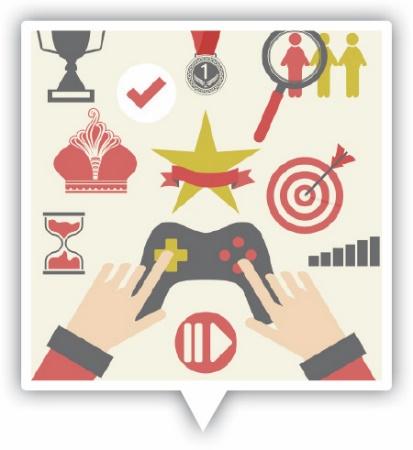
The motivation of this addiction is the constant reward whilst playing a game. The rewards can come in the form of feeling “high” while playing or beating your personal high score, and then being congratulated by fellow gamers, as well as financial rewards such as winning a gaming tournament. These days, online games “never end”, and gamers are even expected to compete and collaborate with other gamers in real time mode.
Symptoms
- Preoccupied with internet games
- Withdrawal symptoms manifest when internet gaming is taken away
- Loss of interest in hobbies, significant relationship, job, or educational or career opportunity as a result of participation in internet gaming
- Need to spend increasing amounts of time engaged in internet gaming
Cosmetic Surgery Addiction
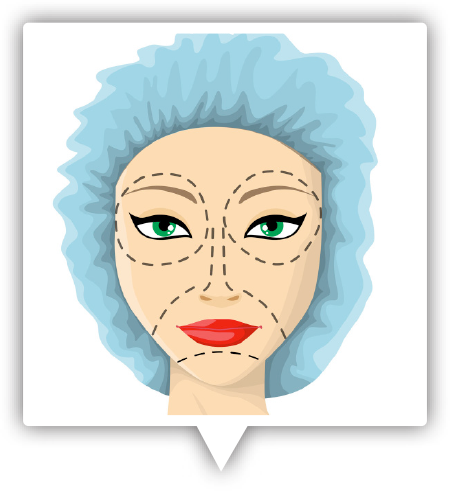
We can trace back the root cause of this addiction to a psychological condition – Body Dysmorphic Disorder (BDD). A person with BDD is usually preoccupied with a slight body or facial defect (even an imagined one), so much so that it disrupts his/her daily activities. People with BDD may spend hours every day to concealing this “defect”. They are unlikely to be satisfied with the results of just one cosmetic surgery.
Symptoms
- Has unrealistic expectations about the outcome of the surgery, e.g: thinking it will lead them to a better relationship or career
- Always finds something “wrong” or unacceptable on their face or body
- Gets hooked on the high of looking like their favourite celebrities
Shopping Addiction

Also known as oniomania, this is a very real issue and can be destructive not just to one’s bank account. The endorphins that are released in one’s brain through compulsive shopping reinforce one’s shopping habits. Therefore, it is easy to become addicted to the high that accompanies with each purchase. many use this method to soothe their negative emotions such as sadness, stress and depression.
Symptoms
- Shopping as a reaction to feeling angry or depressed
- Shopping as a way to feel less guilty about a previous shopping spree
- Spends more than one can afford
- Loses control of the shopping behaviour
- Puts relationships at stake as a result of spending or shopping too much
Sex Addiction
Sometimes called hypersexuality, it is an obsession with sexual thoughts, behaviours or urges that may cause distress or negatively affects one’s physical health, job, relationships or other parts of one’s life. Compulsive sexual behaviour may involve a commonly enjoyable sexual experience, such as self-stimulation, which becomes an obsession that disrupts or harms you or others. If left untreated, it can damage one’s self-esteem, relationships, career and others around.
Symptoms
- Uses compulsive sexual behavior as an escape from other problems, such as loneliness, depression, anxiety or stress.
- Intense sexual impulses and feels as if they are beyond control.
- Continues to engage in sexual behaviours that have serious consequences, such as the potential for getting or giving someone else a sexually transmitted infection, the loss of important relationships, trouble at work, or legal problems.
- Trouble establishing and maintaining emotional closeness, even if you’re married or in a committed relationship.
- Feels driven to do certain sexual behaviors even though the activity is not a source of pleasure or satisfaction.
Food Addiction
We need food to survive. Our brains are wired to experience pleasure from eating which is what motivates us to eat. But food (especially carbohydrates, sugars, fats, and salt) can over stimulate those pleasure centres of the brain, and create a drive to eat abnormally.
Symptoms
- Increase in food intake over time, particularly reined foods
- Spending increasing amount of time consuming and even thinking about food, to the point of spending less time on usual activities
- Finding the need to eat more than most people in order to feel “satisfied”
- Continuing to overeat in spite of knowing the consequences will lead to physical, psychological and / or relationship problems
Raffles Health News August, 2015. Quoting Dr Lim Yun Chin, Specialist in Psychiatry, Raffles Counselling Centre
Contributors

Related Specialist Centre

Cope better with confounding situations with our trained team of psychiatrists, psychologists and therapists.


