
The Silent Epidemic: Hepatitis B
Hepatitis B is often described as a “silent” disease because many people who are infected may not experience noticeable symptoms for years. Despite this, the virus can continue to damage the liver over time, increasing the risk of serious long-term complications such as liver cirrhosis and liver cancer.
Globally, hepatitis B remains a major public health concern, particularly in Asia. In Singapore, hepatitis B vaccination programmes introduced over the years have significantly reduced infection rates, but chronic hepatitis B infection continues to affect many adults who were born before routine vaccination became widespread.
Understanding how hepatitis B spreads, recognising the potential health risks, and taking preventive steps such as vaccination and regular screening are important in protecting both individual and public health.
What is hepatitis B?
Hepatitis B is a viral infection caused by the hepatitis B virus (HBV) that primarily affects the liver. The infection may be acute or chronic.
Acute hepatitis B refers to a short-term infection that occurs within the first six months after exposure to the virus. Some individuals recover completely and develop lifelong immunity, while others may progress to chronic infection.
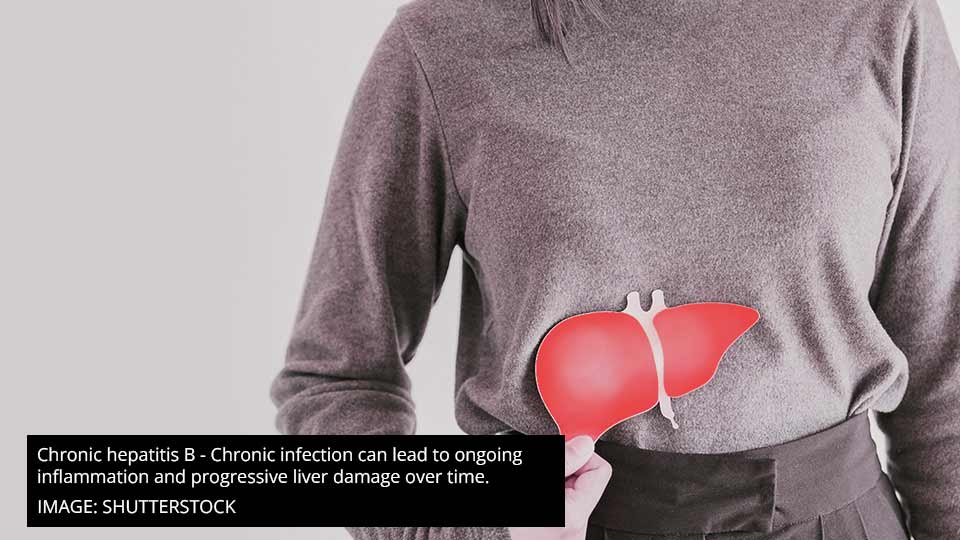
Chronic hepatitis B occurs when the virus remains in the body for longer than six months. Chronic infection can lead to ongoing inflammation and progressive liver damage over time.
Some people with hepatitis B may experience symptoms such as:
- Fatigue
- Loss of appetite
- Nausea and vomiting
- Abdominal discomfort
- Dark-coloured urine
- Jaundice, which causes yellowing of the skin and eyes
- Joint pain
However, many individuals remain asymptomatic and may not realise they are infected until complications develop or the condition is detected during routine screening.
Hepatitis B
Hepatitis B is a viral infection that affects the liver. While some people recover completely, others develop chronic infection that can silently damage the liver for years before symptoms appear.
Often silent
Many people experience no symptoms and may not realise they are infected until routine screening or complications develop.
How it spreads
Through infected blood and bodily fluids, including sexual contact, shared needles, contaminated personal items, and childbirth.
It is not preventable – A misconception
Vaccination remains the most effective protection against hepatitis B and its long-term complications.
Why is hepatitis B taken seriously?
Chronic hepatitis B can silently damage the liver over many years and may lead to liver cirrhosis, liver failure, or liver cancer if left undetected and unmanaged.
90%
Of infants infected at birth may develop chronic hepatitis B
2–6%
Of adults infected develop chronic hepatitis B
Once
Every adult should be screened for hepatitis B at least once in their lifetime
Why is hepatitis B dangerous?
Persistent hepatitis B infection can silently damage the liver over many years. Chronic inflammation may eventually lead to liver fibrosis, liver cirrhosis, liver failure, and in severe cases, liver cancer.
The risk of developing chronic infection depends heavily on the age at which a person is infected. Approximately 90% of infants infected at birth or during early childhood develop chronic hepatitis B, compared to only 2-6% of adults who become infected. This dramatic difference is why preventing mother-to-child transmission through birth-dose vaccination and other measures is so critical.
Individuals with chronic hepatitis B require regular monitoring to assess liver function and screen for complications. Early diagnosis allows appropriate treatment and follow-up to reduce the risk of severe liver disease. Because the condition can progress without any obvious symptoms, many people are unaware of the extent of liver damage until it has reached an advanced stage. This is why routine screening is so important, particularly for those in higher-risk groups.
How is hepatitis B Transmitted?
Hepatitis B spreads through contact with infected blood and bodily fluids. Common modes of transmission include:
- Unprotected sexual contact with an infected person
- Sharing needles or syringes
- Sharing personal items that may be contaminated with blood such as razors or toothbrushes
- Mother-to-child transmission during pregnancy or childbirth
- Exposure to contaminated medical or tattooing equipment
Hepatitis B is not spread through casual contact such as sharing food, hugging, coughing, or sneezing.
Babies infected during childbirth are at particularly high risk of developing chronic hepatitis B because their immune systems are less able to clear the virus naturally. Without preventive measures at birth, including prompt vaccination and immunoglobulin administration, up to 90% of these infants will go on to develop chronic infection.
Who is at higher risk?
Certain groups may have a higher risk of hepatitis B infection, including:
- Individuals with multiple sexual partners
- Healthcare workers exposed to blood and bodily fluids
- People who inject drugs
- Individuals living with a family member who has hepatitis B
- Infants born to mothers with hepatitis B
- People born in countries where hepatitis B is common (prevalence ≥2%), particularly in Asia, Africa, and parts of South America
- Men who have sex with men
- People with HIV or hepatitis C infection
- Travellers to countries where hepatitis B is more common
How can hepatitis B be prevented? |
|
|---|---|
| 💉 Vaccination | Vaccination remains the most effective way to protect against hepatitis B. The hepatitis B vaccine helps the body develop immunity against the virus and has been highly effective in reducing infection rates worldwide.
In Singapore, hepatitis B vaccination is part of the National Childhood Immunisation Schedule. Current international guidance recommends universal hepatitis B vaccination for all adults aged 19 to 59 years. Adults aged 60 years and older should be vaccinated if they have risk factors for hepatitis B or if they desire protection. If the vaccination schedule is interrupted, the series does not need to be restarted—simply continue from where you left off. |
| 🛡️ Practise safe sex | Using condoms consistently and correctly during sexual activity helps reduce the risk of hepatitis B transmission and other sexually transmitted infections. Open communication between partners regarding sexual health and medical history is also important. |
| 🚫 Avoid sharing personal items | Do not share items that may come into contact with blood, including needles, razors, toothbrushes, and nail clippers.
When getting tattoos or piercings, ensure that sterile equipment is used. |
The importance of screening
As hepatitis B often causes no symptoms, screening plays a critical role in early detection. Current guidance recommends that all adults aged 18 years and older should be screened for hepatitis B at least once in their lifetime, and all pregnant women should be screened during each pregnancy.
Early detection allows for timely monitoring and treatment where necessary, and can make a meaningful difference to long-term health outcomes. Individuals with ongoing risk factors who remain susceptible should be screened periodically, typically at least annually.
Can hepatitis B be treated?
While there is currently no complete cure for chronic hepatitis B, effective treatments are available to help control the virus and reduce liver inflammation. Treatment may include:
- Antiviral medications
- Regular monitoring of liver health through blood tests and imaging scans
Not all individuals with chronic hepatitis B require immediate treatment, but ongoing medical follow-up is important to track liver health and intervene early if the condition progresses.
With proper medical care, many people with chronic hepatitis B are able to lead healthy and active lives.
Protecting yourself and others
Hepatitis B may be silent, but its long-term effects can be serious if left undetected and unmanaged. Vaccination, safe practices, and regular screening remain the most effective ways to reduce the spread of the virus and prevent complications.
If you are unsure about your hepatitis B vaccination status or would like to arrange screening, speak with a doctor at Raffles Medical. Early detection and prevention play an important role in protecting both your own health and the wellbeing of those around you.