


4Ds You Don’t Want to Strike
Everyone wants to age well and to enjoy their golden years. Other than being physically fit, mental vitality is an aspect to ageing well. Dr Joshua Kua, Specialist in Psychiatry & Consultant, Raffles Counselling Centre, shares four conditions everyone should take note of.
DEMENTIA
Dementia is the progressive decline of memory and other thinking skills due to the gradual dysfunction and loss of brain cells. 10% of population aged 60 years and above have dementia.
Symptoms
- Problem with recent memory
- Difficulty performing familiar tasks
- Language problems
- Poor / decreased judgement
- Changes in mood, behaviour and personality
- Loss of initiative
Prevention
- Stay mentally, physically and socially active
- Quit smoking, maintain a healthy diet
- Maintain normal blood pressure, cholesterol and blood sugar
Tips for Caregivers
- Communicate slowly maintaining eye contact
- Present one idea or instruction at a time
- Promote exercise, physical activity and social interactions
- Establish a night time ritual
- Limit caffeine, discourage daytime naps
- Encourage keeping a calendar or maintain a routine
DELIRIUM
Delirium is a serious disturbance in mental abilities that results in confused thinking and reduced awareness of your environment. There are three main types of delirium, namely, hyperactive, hypoactive and mixed.
Symptoms
- Rapid onset in reduced awareness of the environment or drowsiness
- Poor thinking skills that occur rapidly especially confusion, inattention and visual hallucination
- Sudden behavioural changes
- Emotional disturbances such as anxiety and agitation
Prevention
- Avoid triggers
- Maintain peace, calm and order
- Ensure restfulness
Tips for Caregivers
- Promote good sleep habits
- Adequate hydration
- Seek medical attention immediately if one is suspected of having delirium
DEPENDENCE
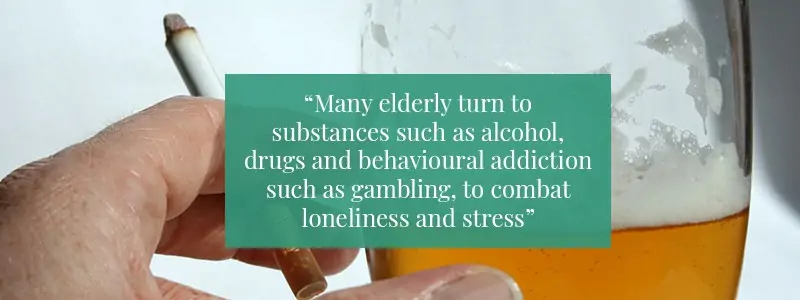
Many elderly turn to substances such as alcohol, drugs and behavioural addiction such as gambling, to combat loneliness and stress. Seniors are more susceptible to drug and alcohol overdose as their bodies are less able to metabolise them.
Symptoms
- Memory problems
- Changes in sleeping and eating habits
- Unexplained bruises and chronic pain
- Irritability, sadness, depression
- Wanting to be alone often
- Losing touch with loved ones
- Failing to bathe or keep clean
- Lack of interest in usual activities
Prevention
- Healthy living such as exercise
- Build relationship with others
- Be active and develop new hobbies
- Be socially active
Tips for Caregivers
- Be aware of symptoms if alcohol or substance dependence
- Encourage the elders to seek treatment
- Be supportive
DEPRESSION
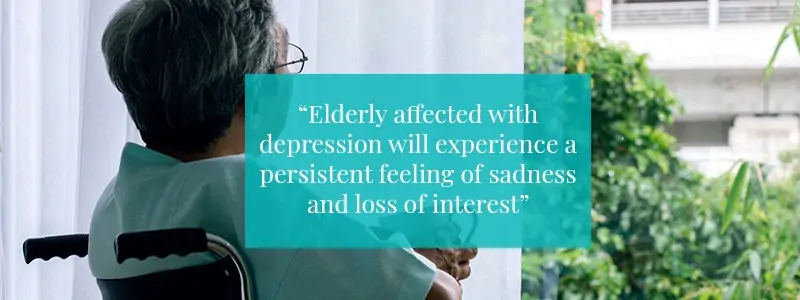
Elderly affected with depression will experience a persistent feeling of sadness and loss of interest. While the suicide rate in Singapore has stayed constant at between eight to 10 suicides per 100,000 residents, the proportion of elderly who take their lives each year has risen.
Symptoms
- Reduced interest in doing things
- Memory difficulties or personality changes
- Physical aches or pain
- Fatigue, loss of appetite, sleep problems, aches or loss of interest in sex
- Prefer to stay home
- Suicidal thoughts or feelings
Prevention
- Take steps to control stress, increase resilience and boost self-esteem
- Reach out to family and friends
- Seek treatment early
- Consider long-term maintenance treatment to prevent relapse
Tips for Caregivers
- Be more active and simplify life
- Encourage social activities, relaxation and stress management
- Structure their time
- Avoid making important decisions when feeling down
Raffles Health News, Issue 4 2016. Quoting Dr Joshua Kua Hai Kiat, Specialist in Psychiatry, Raffles Counselling Centre
Contributors

Related Specialist Centre

Cope better with confounding situations with our trained team of psychiatrists, psychologists and therapists.


