

Back Pain Explained: Causes, MRI Scan Guidelines and Evidence-Based Management
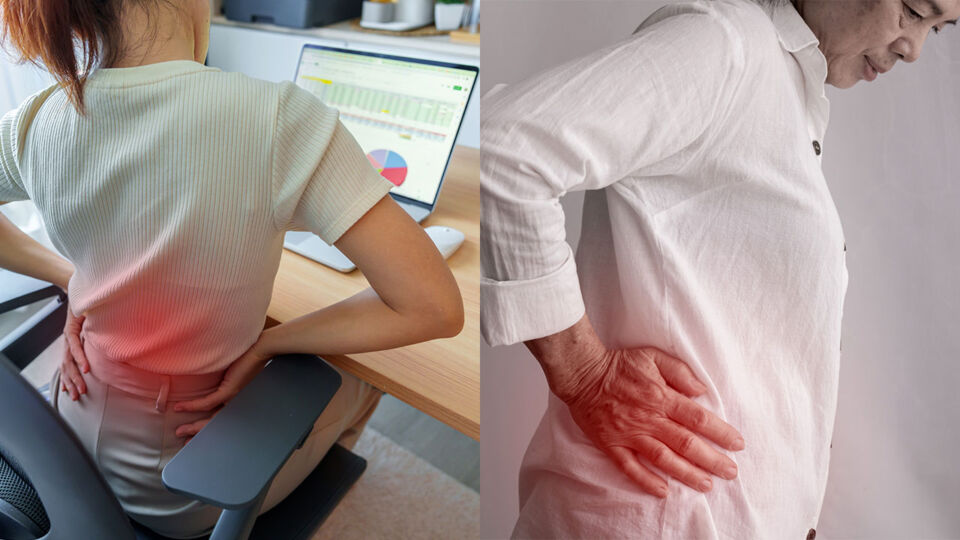
Back pain is common. About 80 per cent of adults experience back pain at some point in their lifetime. It is often a concern to many patients. This overview explores the role of MRI scans and some strategies for the management of non-specific back pain.
The reality of spinal wear and tear
Most cases of back pain are classified as non-specific or are related to degenerative spine disease. This refers to the natural wear and tear that occurs in the spinal structures, such as the intervertebral discs, facet joints, and ligaments, as we age.
It is common for individuals without history of back pain to show signs of disc degeneration or arthritis on an MRI scan.
For persistent back pain, it is important to have a clinical assessment to determine if there are other specific causes to the back pain. Your medical practitioner will then determine if an MRI is helpful in your assessment.
When is an MRI scan necessary?
A specialist may recommend an MRI in the following scenarios.
- Persistent symptoms: Back pain that does not subside after six weeks of management such as physiotherapy.
- Radiculopathy: Pain radiating down the leg, accompanied by numbness or tingling, suggesting nerve root compression that does not resolve with non-operative measures such as medication and physiotherapy.
- Suspected underlying specific conditions: Clinical suspicion of infection, cancer, fracture, or inflammatory arthritis.
Recognising red flag symptoms
While most back pain resolves with time, certain symptoms indicate a potential emergency. Please seek medical attention immediately if you experience:
- Loss of bladder or bowel control: This may indicate Cauda Equina syndrome, a serious condition involving compression of the lower spinal nerve roots.
- Sudden weakness in the legs: Difficulty standing or a noticeable foot drop where the front of the foot cannot be lifted.
- Saddle anaesthesia: Numbness or a pins and needles sensation in the groin, buttocks, or inner thighs.
- Trauma-related pain: Severe pain following a significant fall or high-impact injury.
- Unexplained weight loss or fever: When associated with back pain, these can be systemic indicators that require investigation.
Evidence-based management of non-specific back pain
For most patients, the goal is to restore function and reduce discomfort through lifestyle modifications and targeted exercise.
1. Integrating regular movement
Prolonged static postures, such as sitting at a desk for several hours, can lead to increased pressure on the spinal discs.
- The 30-minute rule: Aim to stand, stretch, or walk every 20 to 30 minutes to reset the soft tissues.
- Active recovery: Avoid prolonged bed rest. Staying gently active typically leads to faster recovery.
2. Ergonomics and posture
- Safe lifting techniques: When picking up objects, bend at the knees and hips rather than the waist. Keep the load close to your body.
- Lumbar support: Ensure your chair provides adequate support for the natural curve of the lower back.
3. Strengthening the core
A strong natural corset of muscles provides stability for the spine.
- Core stability: Exercises such as planks, bird-dogs, and dead bugs target the supporting muscles without placing excessive strain on the discs.
- Gluteal strength: The gluteal muscles help support the pelvis. Incorporating glute bridges can help offload the lower back.
- Mind-body exercise: Pilates and yoga are effective for improving flexibility and core control.
4. Low-impact conditioning
During a flare-up, high-impact activities like running and jumping may exacerbate symptoms.
- Walking: An accessible way to maintain cardiovascular health and spinal mobility.
- Swimming: The buoyancy of water reduces the gravitational load on the spine, making it an ideal environment for movement.
Addressing lifestyle risk factors
- Weight management: Carrying excess weight shifts the body’s centre of gravity and increases stress on the lower back.
- Smoking cessation: Smoking impairs blood flow to the spinal discs, which can accelerate degenerative changes.
- Stress management: Chronic stress can lead to increased muscle tension and a lower threshold for pain.
Consult our specialists at Raffles Orthopaedic Centre
If you are experiencing persistent back pain or wish to discuss whether an MRI scan is appropriate for your condition, our team of orthopaedic specialists is available for a comprehensive clinical assessment. We offer tailored management plans ranging from physiotherapy to advanced interventions.
Note: For emergencies such as sudden leg weakness or loss of bladder control, please visit the 24-Hour Acute and Critical Care at Raffles Hospital immediately.
This article was reviewed by by Dr Khor Yuet Peng, Specialist in Orthopaedic Surgery, Raffles Orthopaedic Centre
Contributors

Related Specialist Centre

Complement your orthopaedic needs with support services such as physiotherapy, occupational therapy, acupuncture, radiology and diagnostic services.

We provide pain treatment for patients with chronic issues to improve their physical function, sleep and quality of life.


