
Common Side Effects of Overeating and How to Overcome Them
Chinese New Year is around the corner and this means it is time for reunion dinners. Reunion meals are one of the best moments to foster bonding with our loved ones. Besides, who could resist hotpots and festive snacks?
While overeating is common during festive celebrations, one might overlook other health consequences it brings. Before you take another sinful bite, let us take a step back to understand the side effects of overeating and how you can overcome them.
What Happens When You Overeat?
Food Coma
One of the common side effects of overeating is feeling drowsy or lethargic after a heavy meal, otherwise known as a food coma. Food coma occurs when you have consumed a large amount of food, forcing your body to work extra hard for digestion.
With the sudden increase in food intake, your body will start to produce excess insulin that leads to a spike in your blood sugar level.
Certain refined food with a high glycemic index, such as noodles and white rice, are usually the main culprits of food coma.
Tips to Prevent Food Coma:
- Moderation is key. Take smaller portions if you wish to taste different varieties.
- Include high-fibre options such as fruits and leafy vegetables in your meals to help you stay full and prevent overeating.
- Opt for food high in protein, such as fish or chicken, instead of food high in carbohydrates. This will help neutralise your blood sugar.
- Consider going for a walk or light exercise after a heavy meal to boost your body’s oxygen level.
Heartburn
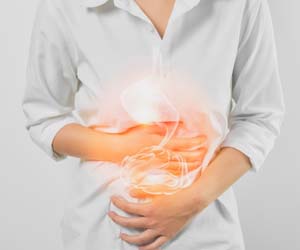 Ever had this burning sensation in your chest after a hearty meal? This condition is called gastroesophageal reflux disease (GERD), and it happens due to acid reflux into the oesophagus.
When you overeat, your stomach remains distended to accommodate the large quantities of food. Once the acid produced in your stomach accumulates, it increases the chance of belching and exposes your lower oesophagus. As a result, acid flows back into your oesophagus and triggers heartburn.
Overindulgence of food that is high in fat, such as Bak Kwa (barbecued meat) and fried dishes, makes you susceptible to heartburn as well.
Tips to Prevent Heartburn:
- Avoid or limit consumption of greasy / oily food. Food high in saturated fats (like chips, chocolates, biscuits, or sugary drinks) takes the longest to digest.
- Chocolates, carbonated soft drinks, and spicy food are also common triggers of heartburn. Consume them in moderation.
- Avoid lying down right after your meal. Sitting or standing upright will help reduce acid reflux.
- Refrain from wearing tight-fitting clothing that will add pressure to your abdomen.
Bloating
Resisting mouth-watering food temptation can feel like an impossible task. Large portions of food when eaten quickly without much chewing makes one feel uncomfortably stuffed promptly.
Bloating is usually caused by the buildup of air or gasses in your digestive system and it is common after overeating. Besides feeling a tight sensation around your stomach, you may experience pain, burping, and flatulence. Severe bloating symptoms can even include diarrhoea, nausea, vomiting, and blood in your stools.
Bloating is also closely related to what and how you eat. Below are some of the tips to practice mindful eating.
Tips to Prevent Bloating:
- Eat your food slowly.
- Avoid bloat-inducing foods such as beans, artificial sweetened food products, and dairy products.
- Avoid or limit consumption of beer and carbonated beverages. Hydrate yourself with plain water instead.
- Avoid drinking with a straw.
- Drink herbal tea such as ginger, peppermint, or chamomile to relieve bloating symptoms.
- Take digestive enzyme supplements to ease digestion.
Sleep Disturbance
Find yourself tossing and turning on the bed after a huge feast? Overeating interferes with your sleep as your body takes a longer time for digestion. The digestion process tends to slow down during sleep, which conflicts with your body’s normal sleep cycle and the stomach’s need for digestion.
You may therefore find yourself having trouble sleeping during the night, especially after eating close to bedtime. Consuming a large intake of saturated fats and sugar can also exacerbate the effects of overeating on your sleep.
Tips to Prevent Sleep Disturbance:
- After meals, wait at least three to four hours before going to bed to allow your body enough time for digestion.
- Avoid caffeine and alcohol as they may contribute to insomnia.
- Drink a glass of warm milk to help relax your mind and body.
- Do light stretching exercises before bed to ease digestion.
Long-term Side Effects of Overeating
 A stricter diet routine followed by regular exercise may compensate for that festive feast indulgence.
However, serious health complications are likely to follow if overeating becomes a long-term habit. Besides an increased risk of obesity, chronic overeating may also lead to other health problems such as cardiovascular diseases, diabetes, or cancer.
While it is perfectly fine to relish food during celebratory occasions, it is important to practise mindful eating and portion control. Practising self-control can help prevent overeating, and in turn, promote a better overall health for ourselves. Let us keep our health in check this Lunar New Year.
This article was written by: Dr Kaushal Amit Sanghvi, Specialist in General Surgery and Consultant, Raffles Surgery Centre
Contributors