

What Do Your Blood Pressure and Blood Sugar Levels Say About Your Heart Health?
You may feel healthy, exercise regularly, and have no obvious symptoms. But could you still be at risk of heart disease?
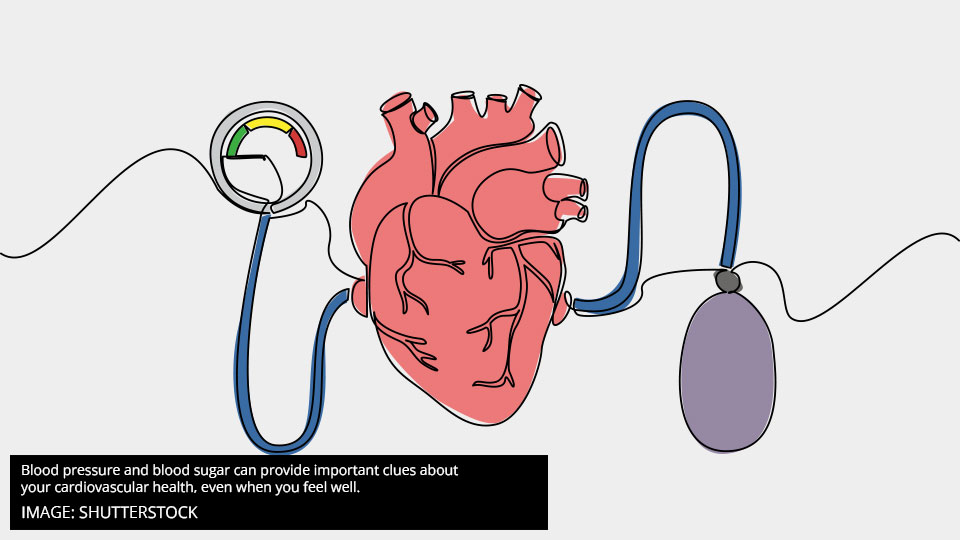
Some cardiovascular risk factors can develop quietly, without causing symptoms you can easily recognise. Blood pressure and blood sugar are two measurements that can provide important clues about your cardiovascular health.
They are not the only numbers that matter. Cholesterol, body weight, smoking, physical activity, family history, and other health conditions can also influence your risk. But understanding your blood pressure and blood sugar can help identify potential concerns and give you an opportunity to act.
Why should you care about your blood pressure if you feel well?
Blood pressure measures the force of blood against the walls of your arteries as your heart pumps blood around your body.
It is normal for blood pressure to fluctuate throughout the day. It can change with physical activity, stress and other circumstances. The concern arises when blood pressure remains elevated over time.
High blood pressure, or hypertension, is often not accompanied by noticeable symptoms. This means that someone can have elevated blood pressure while continuing to feel completely well.
The World Health Organisation estimates that about 44% of adults with hypertension are unaware that they have the condition1.
This is one reason regular health checks are important. You do not need to feel unwell to benefit from having your blood pressure checked.
What does high blood pressure mean for your heart?
Your heart and blood vessels work together to circulate blood throughout your body. When blood pressure remains high, the increased pressure places greater strain on the blood vessels and heart.
Over time, this can contribute to damage to the arteries and increase the risk of cardiovascular conditions, including heart attack, stroke, and heart failure.
The important point is that blood pressure is more than a number on a monitor. It can tell you something about the forces your cardiovascular system is experiencing over time.
What does blood sugar have to do with your heart?
Blood sugar, or blood glucose, is an essential source of energy for your body. Your body needs glucose to function, but persistently elevated blood glucose can have harmful effects on your blood vessels and organs.
This is particularly important in diabetes.
Diabetes occurs when blood glucose levels are too high because the body does not produce enough insulin, does not use insulin effectively, or both. Over time, high blood glucose can damage blood vessels and increase the risk of complications affecting the heart and other organs.
For cardiovascular health, this matters because people with diabetes have a higher risk of heart disease and stroke.
And, like hypertension, diabetes may develop without obvious symptoms, particularly in its earlier stages.
Can you have high blood sugar without knowing it?
Yes. Some people with high blood glucose may experience symptoms such as increased thirst, frequent urination, tiredness, or blurred vision. However, symptoms are not always obvious, and type 2 diabetes can develop gradually.
This means that waiting until you feel different is not a reliable way to know whether your blood sugar is healthy.
Screening and appropriate blood tests can help identify elevated blood glucose and diabetes. Your doctor can also assess your results alongside other factors to determine what they mean for you.
Why look at blood pressure and blood sugar together?
Blood pressure and blood sugar measure different things, but both are relevant to cardiovascular health.
They can also occur together.
For example, a person with diabetes may also have high blood pressure. When several cardiovascular risk factors are present at the same time, overall cardiovascular risk can increase.
This is why looking at your heart health through a single measurement may not provide the complete picture.
A health assessment may consider several factors, including:
| Health factor | What it can tell you |
|---|---|
| Blood pressure | Provides information about the pressure within your arteries. |
| Blood glucose | Helps assess how your body is managing glucose in the bloodstream. |
| Cholesterol | Particularly LDL cholesterol, which can contribute to plaque formation in the arteries. |
| Body weight and waist circumference | Can provide information about metabolic and cardiovascular risk. |
| Lifestyle | Including physical activity, diet, smoking, and alcohol consumption. |
| Family history | Certain cardiovascular conditions and risk factors can run in families. |
| Existing health conditions | Such as diabetes, kidney disease or hypertension. |
Taken together, these factors can provide a more meaningful picture of your cardiovascular risk than any single number.
What if my results are outside the healthy range?
An abnormal result does not automatically mean that you have cardiovascular disease.
Blood pressure and blood glucose can vary, and a single measurement may not tell the whole story. Your doctor may recommend repeat testing or additional assessments before determining whether there is an underlying health condition.
If you are diagnosed with high blood pressure, diabetes, or another condition that affects cardiovascular health, managing it can help reduce your risk of complications.
The earlier a risk factor is identified, the sooner you can discuss appropriate next steps with your healthcare professional.
What can you do for better cardiovascular health?
Knowing your numbers is only the beginning. What you do with that information matters too.
Stay physically active
Regular physical activity supports cardiovascular health and can help with blood pressure, blood glucose, and weight management.
If you have been inactive, you do not need to start with an intensive exercise programme. Find activities that you can do safely and consistently, and build up gradually.
Eat a balanced diet
What you eat can influence your blood pressure, blood sugar, cholesterol and overall cardiovascular health. A balanced diet is about choosing a variety of foods and being mindful of how they are prepared and seasoned.
Cut down on salt
Aim for less than 2g of salt per day. Too much salt can contribute to higher blood pressure, which is a major risk factor for cardiovascular disease.
Practical tips for a balanced diet
It is easy to consume more salt than you realise. Salt is not only added during cooking or at the table. Soups, gravies, sauces, marinades, seasonings, and processed foods can also contain significant amounts of salt. This includes foods such as processed meats, instant noodles, canned foods, and ready-to-eat meals.
- When eating out, consider asking for less salt, sauce or gravy.
- Avoid drinking all the soup where possible.
- Include a variety of vegetables, fruits, whole grains and legumes.
- Choose appropriate portions of protein such as fish, poultry, eggs, tofu, and other healthier protein choices.
- Choose fresh or minimally processed foods where possible.
- Limit foods high in added sugars and unhealthy fats.
Pay attention to both what you eat and how your food is prepared. These everyday choices can help support healthier blood pressure, blood sugar and cholesterol levels.
Avoid smoking
Smoking damages blood vessels and increases the risk of cardiovascular disease. If you smoke, speak with a healthcare professional about strategies that can help you quit.
Maintain a healthy weight
Being overweight or obese can increase the risk of conditions such as hypertension and type 2 diabetes, both of which are associated with cardiovascular disease.
If weight management is a concern, your doctor can help you determine an approach that is appropriate for your health and circumstances.
Keep up with health checks
Perhaps the most straightforward step is also one of the easiest to overlook: check your numbers even when you feel well.
The appropriate screening schedule depends on your age, health history, and risk factors. Your doctor can advise which tests you need and how frequently you should have them.
Your heart health is more than how you feel today
Feeling well is reassuring, but it does not tell you everything about your cardiovascular health.
High blood pressure and elevated blood sugar can develop without obvious warning signs. Checking these measurements can provide information about your health that you may not be able to detect on your own.
Rather than waiting for symptoms to appear, use routine health checks as an opportunity to understand your cardiovascular risk.
Know your numbers. Understand what they mean. And use that information to make informed decisions about your heart health.
If you have concerns about your blood pressure, blood sugar or cardiovascular risk, speak with your doctor about the appropriate health checks for you.
Frequently asked questions
What should I do if my blood pressure is higher than usual?
Do not assume that one elevated reading means you have hypertension. Blood pressure can vary depending on factors such as activity, stress, and when the measurement is taken. If your readings remain elevated, speak with your doctor, who can advise whether repeat measurements or further assessment are needed.
Does one high blood sugar result mean I have diabetes?
Not necessarily. Blood glucose can be assessed using different tests, and a diagnosis of diabetes may require repeat testing or confirmation, depending on the circumstances. Your doctor can interpret your result and advise whether further testing is appropriate.
Should I monitor my blood pressure at home?
Home blood pressure monitoring can provide a more complete picture of your blood pressure outside the clinic. Regular readings can help identify patterns and trends, which can support your doctor in assessing your blood pressure over time.
If you have been advised to monitor your blood pressure at home, aim to do so 2 to 3 days per week. On each monitoring day, take readings at three different times: before breakfast, around lunchtime and in the evening. This can help provide a better picture of how your blood pressure changes throughout the day and give your doctor more information when assessing your readings.
For more reliable readings:
- Rest for at least five minutes before taking your measurement.
- Sit upright with your back supported and feet flat on the floor.
- Keep your legs uncrossed and rest your arm on a table so that the cuff is at heart level.
- Place the cuff directly on your bare upper arm, rather than over clothing.
- Avoid talking or using your phone while taking the measurement.
- Take your readings at around the same times of day when possible.
- Keep a record of your readings to share with your doctor.
Important to know
A series of readings is more useful than a single measurement. Your doctor can review your readings over time, together with other clinical information, to determine whether further assessment is needed.
If you are unsure how to use your blood pressure monitor correctly, ask your healthcare professional to show you the appropriate technique.
What other numbers should I know for my heart health?
Blood pressure and blood glucose are only two pieces of the picture. Depending on your age and health profile, your doctor may also recommend monitoring cholesterol, body weight, or waist circumference. Looking at these measures together can provide a broader understanding of your cardiovascular and metabolic health.
When should I talk to a doctor about my cardiovascular risk?
Consider discussing your cardiovascular risk with your doctor if you have risk factors such as high blood pressure, elevated blood sugar, high cholesterol, excess weight, physical inactivity, smoking, or a family history of cardiovascular disease. Your doctor can help determine which health checks are appropriate for you and how often they should be performed.
If I feel healthy, do I still need health screening?
Feeling well does not necessarily mean that all your cardiovascular risk factors are within a healthy range. Some conditions, including hypertension and type 2 diabetes, can develop without obvious symptoms. Regular health checks can help identify potential concerns and give you an opportunity to address them early.
START WITH YOUR HEART HEALTH
Raffles Healthy Heart Screening
Looking for a baseline assessment of your heart health? Understand important cardiovascular risk factors with a screening that includes a consultation with a cardiologist.
Includes:
- Consultation by Cardiologist
- Cholesterol screening
- Glucose and renal screening
- Electrocardiogram (ECG)
TAKE A CLOSER LOOK
Comprehensive Health and Heart Screening
Looking for a more in-depth assessment? Combine general health screening with a detailed cardiac evaluation and consultation with a cardiologist.
Includes:
- Consultation by Cardiologist
- Comprehensive laboratory screening
- Electrocardiogram (ECG)
- Chest X-ray
- CT Coronary Angiogram
Source:
1World Health Organisation. “Hypertension.” World Health Organisation, Sept 2025, https://www.who.int/news-room/fact-sheets/detail/hypertension.
This article was reviewed by Dr Philip Wong, Specialist in Cardiology and Senior Consultant, Raffles Heart Centre.
Contributors

In this article



