

Navigating Perimenopause: Food for Well-being
Navigating perimenopause can feel like a bit of a rollercoaster with hormonal shifts bringing on a range of changes. One of the most supportive things you can do for yourself during this time is to pay close attention to your diet. While food will not erase every symptom, it can certainly help manage the ups and downs.
Understanding the changes
Oestrogen is a key hormone that regulates menstruation, which gradually decreases around the age of 45.
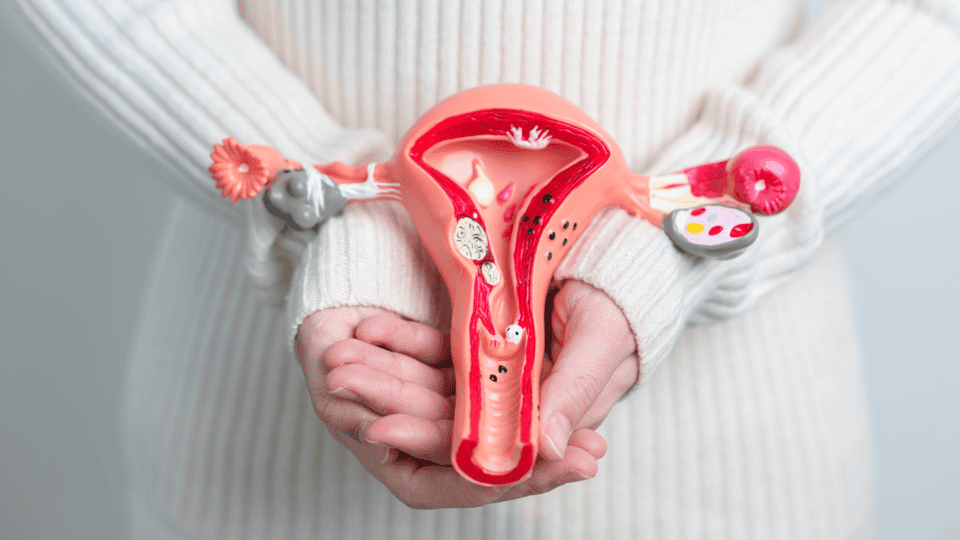
Perimenopause, which refers to the transition period leading up to the menopause, often brings fluctuating oestrogen levels. This can lead to weight gain, changes in mood, and even disrupted sleep.
Reduced oestrogen levels are also associated with an increased risk of several chronic conditions like cardiovascular disease, obesity, cancers, type 2 diabetes, and osteoporosis.
Lifestyle modifications, such as regular exercise and a balanced diet, can help manage these symptoms.
Eating right during perimenopause
Think of your plate as a canvas for vibrant, whole foods. These are your allies during perimenopause.
Fruits and vegetables
Aim for a rainbow of colours. They are packed with vitamins, minerals, and fibre that can help regulate blood sugar and manage weight.

Wholegrains
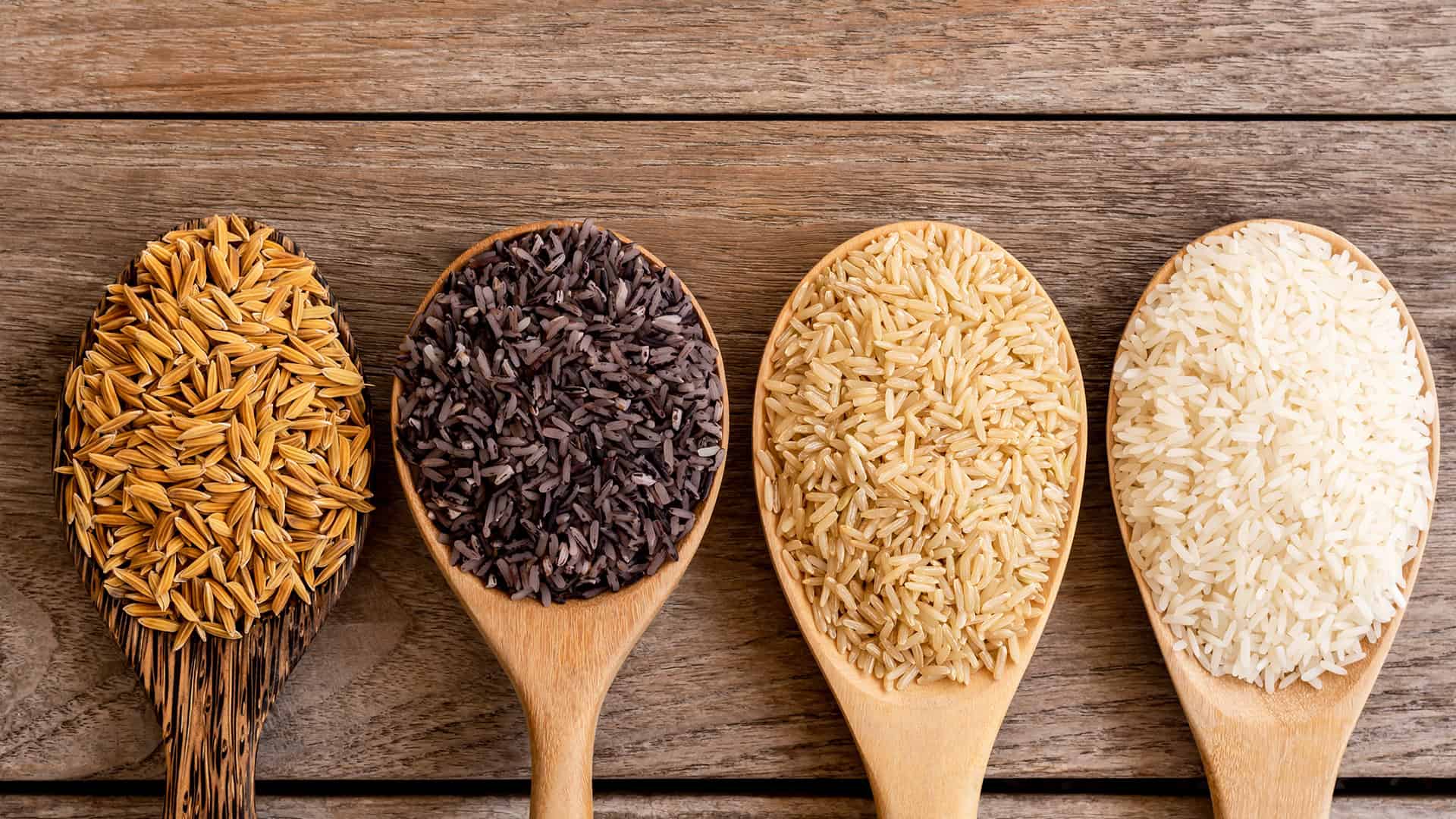
Opt for wholegrain bread, brown rice, and oats. They provide sustained energy and help keep you feeling full, which can be useful when dealing with fluctuating moods and energy levels.
Lean protein
Include lean protein sources like chicken, fish, beans, and lentils. Protein helps maintain muscle mass that can decline during perimenopause.

Healthy fats
Healthy fats are essential for hormone production and overall well-being.
- Omega-3 fatty acids
Found in oily fish, flaxseeds, and walnuts, these fats can help reduce inflammation and improve mood. - Avocados, nuts, and seeds
- These are great sources of monounsaturated fats that are beneficial for heart health.
Food portion
For a healthy diet, portion control is essential. The Singapore Health Promotion Board’s “My Healthy Plate” guidelines, which emphasises balanced eating and staying active, utilise the “Quarter, Quarter, Half” approach to get the right food proportions of each food group.
- A quarter plate of wholegrains
- A quarter plate of lean protein
- Half plate with fresh fruits and vegetables
Manage blood sugar levels
Hormonal changes can affect blood sugar levels, leading to cravings and energy crashes. Limit processed foods and sugary drinks as these can cause blood sugar spikes and crashes.
Hydration is key
Staying hydrated can help alleviate symptoms like hot flushes and headaches.
- Drink plenty of water
Aim for at least 2 litres of water per day. - Include hydrating foods
Watermelon, cucumbers, and soups are great options.
Calcium and vitamin D for bone health
Perimenopause increases the risk of osteoporosis, so it is important to support bone health.
- Calcium-rich foods
Include dairy products, leafy greens, and fortified foods. - Vitamin D
Get some sunlight and include vitamin D rich foods like eggs and oily fish.
Every woman’s experience with perimenopause is unique. Pay attention to how different foods make you feel and adjust your diet accordingly. Don’t be afraid to seek professional advice from a nutritionist or dietitian. They can provide personalised guidance to help you navigate this transition with confidence.


