
New Mum Survival Guide: Breastfeeding
Everything you need to know about breastfeeding
Breastfeeding is a natural and beneficial way to nourish babies, providing them with essential nutrients and antibodies that support their growth and immune system development. It also promotes bonding between mother and baby through skin-to-skin contact.
Navigating breastfeeding can be both exciting and daunting for both new and experienced mothers. Here is comprehensive list of frequently asked questions about breastfeeding to allay concerns and fears.
How soon after birth should I start breastfeeding and what is the best way to do it?
If you and your baby are well with no medical concerns, initiation of breastfeeding will start within an hour by placing your baby on your chest; skin-to-skin after birth.
What do I do if baby won’t take my nipple? How do I help baby to attach properly?
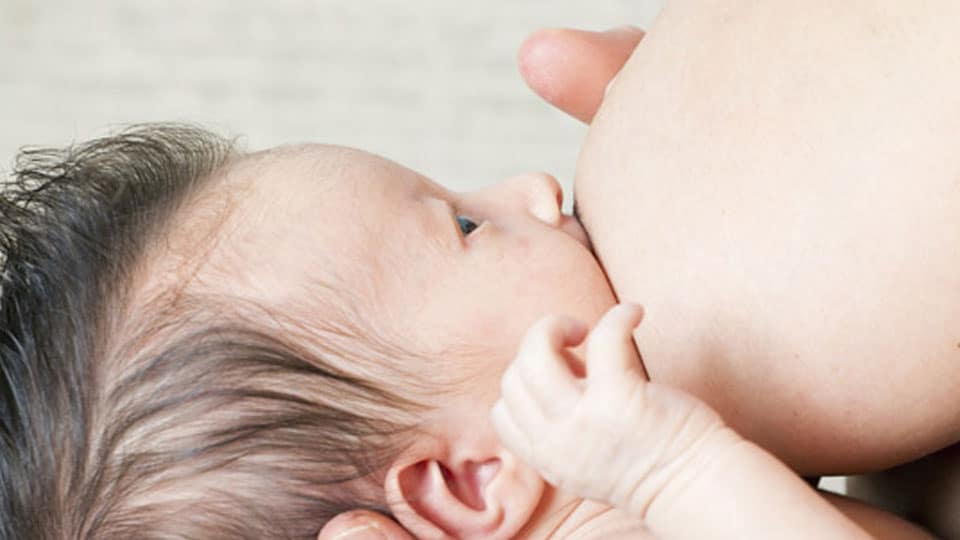
Helping a baby latch properly during breastfeeding is important for both the baby’s comfort and effective milk transfer. Here are some steps you can follow:
- Check your latching position
Before you start, and whichever breastfeeding position you choose, make sure your baby is in alignment to you. Your baby’s chin should be up, not dropped towards the chest. - Encourage your baby to open his / her mouth
Hold your baby close and ensure your nipple is level with his / her nose. Touch your nipple gently against your baby’s upper lip to encourage a wide open mouth. The wider the mouth is, the easier it will be to get a good latch on. - Bring your baby to your breast
Once your baby has opened his / her mouth wide with the tongue brought over the bottom gum, bring your baby on to your breast; aiming your nipple towards the top of the mouth. Your baby’s chin should be the first thing that touches your breast. A significant part of your areola should be taken into the mouth, with the bottom lip and jaw covering more of the area underneath the areola. - Keep your baby close during latch-on
Whenever possible, keep your baby close to you, with their chin in contact with your breast. Babies’ noses are turned up so they can breathe easily while attached to the breast.
How many times a day can I expect to breastfeed? Will this change over the months?
On average, babies feed on demand for every two to three hours. If your baby is not demanding, in every three hours, gently wake your baby up with the gentle touch or check the diaper. The touching or changing the diaper will wake your baby. Position your baby against your body to keep him / her warm. Feeding frequency will improve because your baby will adjust to your milk volume accordingly.
How do I know if my baby is getting enough at each feed?
The output will show whether your baby is getting enough. From day four onwards, your baby will pass urine at least six times and poop two to five times. As your milk volume gets more established, your baby will feed and poop more regularly and the process repeats again.
How many months can I expect to breastfeed for and how long will my body keep producing milk?
The World Health Organisation recommends exclusive breastfeeding for six months (baby will receive breast milk only without any additional food or drink including water). Start baby foods from six months onwards while continuing to breastfeed for up to two years and beyond.
What are the benefits of breastfeeding?
B– Best and ideal food for the baby
R– Reduces the chance of severe post-partum bleeding
E– Expedite the return of womb to pre-pregnancy size
A– Antibody rich colostrum protects the baby from infectious and chronic diseases
S– Security and comfort for both mum and baby
T– Temperature of breast milk is ideal, breastfeeding makes it convenient
F– Free and instant
E– Economical
E– Earth-friendly
D-Decreases the risk of women cancer
I– Increases mother’s metabolism
N-Nurtures and fulfills the child’s psycho-social and physical needs
G-Greatest milk of all!
Did you know? Babies who are not breastfed have an increased risk of:
- Chest infections
- Diarrhoea and vomiting
- Developing eczema
- Being constipated
- Being fussy about new food
- Being obese and developing diabetes later in life
What should I be eating during my breastfeeding months? Do I need to eat more or add anything special to my diet?
Ensure a balanced diet with a variety of food sources without overeating. Whatever eaten will be in the breast milk. Therefore, you should try making healthy food choices. A diet with healthy food aids in providing energy for mothers who are deprived of sleep and healing of post-delivery wound.
How do I mix breast milk and formula? Is that an option?
If you are unable to be around to breastfeed your baby, expressed breast milk is the best supplement for the baby. It is not necessary to mix with other milk. However, if formula milk is needed, feed your baby with breast milk first then top it up with formula. This will ensure that your precious breast milk will not be wasted if your baby is unable to finish the feed.
Under what medical/physical/emotional conditions would I be unable to breastfeed?
According to the World Health Organisation, “Breastfeeding is the normal way of providing young infants with the nutrients they need for healthy growth and development. Virtually all mothers can breastfeed, provided they have accurate information, and the support of their family, the health care system and society at large.”
If I choose not to breastfeed directly, what should I do? Will I stop producing milk if I don’t breastfeed? Will my breasts hurt?
There is an option of expressing breast milk using the breast pump to collect your milk if you are unable to breastfeed directly. Your breasts will hurt if you abruptly stop breastfeeding or expressing due to engorgement, and this may lead to plugged duct and possibly mastitis (infection of the breast). Weaning should be done gradually. Babies generally become less demanding to be breastfed after six months when they start on solid food.
Must I avoid alcohol?
Yes. Alcohol content can be passed on to your breast milk and into your baby when you feed them. There is no established safe level of alcohol consumption while breastfeeding. It is safest not to drink alcohol if you are breastfeeding your baby.
Can I store my breast milk? What’s the best way to do it?
Guidelines from Health Promotion Board:
| Storage of expressed breast milk(EBM) | Recommended Storage Duration |
| EBM at room temperature of 25°C | 4 hours |
| EBM in a cooler with ice pack at 15°C | 24 hours |
| EBM freshly expressed and stored in the fridge at 4°C | 48 hours |
| Frozen milk in 2 door fridge stored at -5°C to -15°C | 3 – 6 months |
| Frozen milk in deep freezer at -20°c | 6 – 12 months |
| Thawed breast milk stored in the fridge | 24 hours at 4°C |
Thawing Process
- Thaw frozen milk in the refrigerator or in a cup of warm water.
- Use the breast milk immediately and discard any leftover.
- Do not boil or heat breast milk in a microwave.
- Do not re-freeze or re-warm the breast milk.
Every breastfeeding journey is different. Speak with a lactation consultant if you encounter any problem during breastfeeding.
Related Specialist Centre
 We have one of the largest teams of consultant Obstetricians & Gynaecologists in the private healthcare sector. View our maternity packages.


