

Health Articles

Can Your Diet Lower Your Risk of Type 2 Diabetes? Foods to Eat and Habits to Adopt
Type 2 diabetes is influenced by several factors, including genetics, age, body weight and lifestyle. While some risk factors cannot be changed, your dietary habits are one area where you…

Diabetes-friendly Diet: What to Eat, What to Limit and How to Plan Your Meals
Being diagnosed with diabetes does not mean giving up your favourite foods or following a restrictive diet. However, understanding how different foods affect your blood glucose levels can help you…
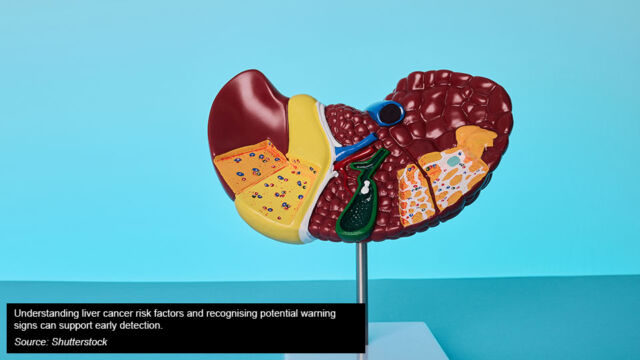
Liver Cancer: Symptoms, Causes, Stages and Survival Rates
Liver cancer can develop without obvious symptoms in its early stages. Learn about the warning signs, causes, risk factors and stages of liver cancer, including hepatocellular carcinoma (HCC), and how appropriate screening may support early detection.
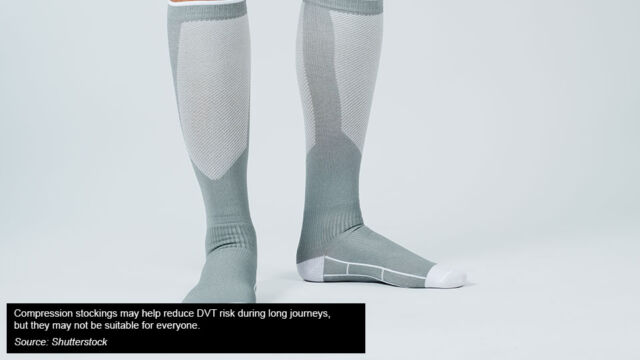
Deep Vein Thrombosis: Long-distance Travel and Blood Clots Risk
Deep vein thrombosis (DVT) occurs when a blood clot forms in a deep vein, usually in the leg. Learn about its symptoms, risk factors and potential complications, and discover practical ways to reduce your risk, particularly during long-distance travel.
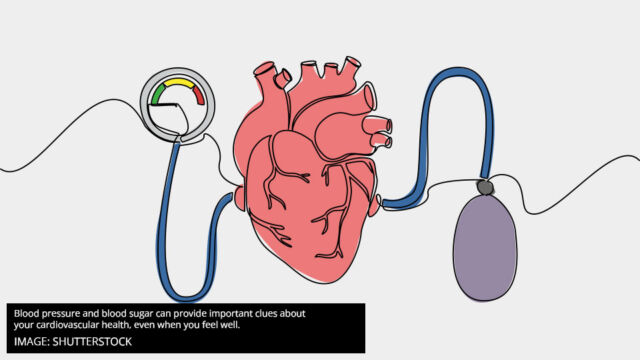
What Do Your Blood Pressure and Blood Sugar Levels Say About Your Heart Health?
You may feel healthy, but your blood pressure and blood sugar could tell a different story. Learn what these numbers can reveal about your cardiovascular health and why keeping track of them matters.

Stress Management for Students: Managing Academic Pressure
Student stress can come from examinations, schoolwork, expectations and everyday pressures. Dr Tham Keng Seng, Psychiatrist at Raffles Counselling Centre, shares practical ways to recognise and manage stress, and when students should consider seeking additional support.
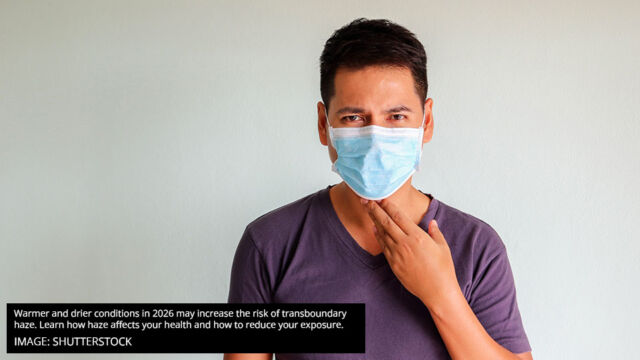
Impact of Haze and how to protect your respiratory health
Understand how haze and PM2.5 can affect your respiratory health, who may be more vulnerable, and practical ways to reduce your exposure.

Sleep and Mental Health: Why Quality Rest Matters
The relationship between sleep and mental well-being is bidirectional. Poor sleep can negatively affect mental health, while mental health conditions can make it harder to sleep. This “feedback loop” means that addressing sleep issues can often lead to a significant improvement in clinical psychological outcomes.

Stroke and Stress: Is There A Connection?
Learn how chronic stress may influence stroke risk and discover practical steps to support your heart, brain and overall wellbeing.

Father’s Day Special: 7 Tips to Help Your Dad Stay in the Pink of Health
The best gift we could ever grant our loved ones is health. Appreciation can be shown in various ways. Instead of getting your dad the latest smart phone or fancy gadget, read on to find out how you can help your dad stay healthy in the long run!